Antral Follicle Count (AFC) Explained: What It Reveals About Your Ovarian Reserve
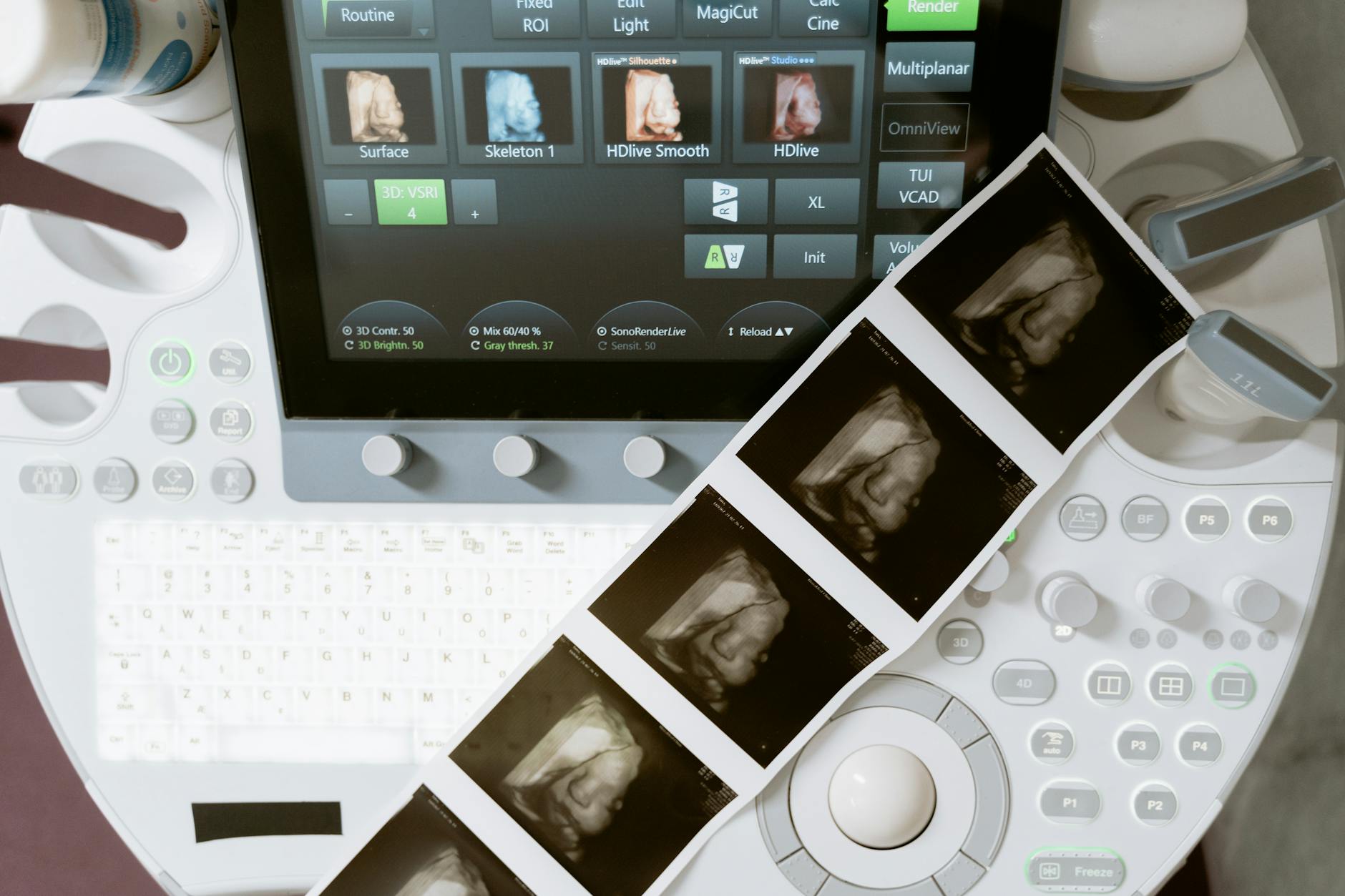
Antral follicle count is an ultrasound measurement that directly visualizes the small fluid-filled follicles in both ovaries that represent the immediately recruitable egg supply for a given cycle. Unlike blood-based hormone tests, AFC provides anatomical evidence of ovarian reserve that can be assessed in a single transvaginal ultrasound scan. Understanding how AFC is measured, what the numbers mean, and how they relate to AMH and FSH levels gives you a multi-dimensional view of your reproductive potential.
How AFC Is Measured and What the Scan Involves
AFC is assessed by transvaginal ultrasound on cycle days 2 through 5 (early follicular phase), when follicles have not yet been differentially recruited and the full resting antral pool is visible. The sonographer counts all follicles measuring 2mm to 10mm in diameter in both ovaries — this size range corresponds to the antral stage of follicle development where AMH secretion is highest and where follicles are eligible for FSH-driven recruitment in the current or upcoming cycle. Follicles outside this size range (either smaller primordial follicles that are not yet sonographically visible, or larger dominant follicles already in the mid-follicular phase) are not counted.
The scan typically takes 5 to 15 minutes and is performed with an intravaginal ultrasound probe. Total antral follicle counts are reported as the sum of both ovaries combined. Count variability between cycles and between observers is a recognized limitation — studies report inter-observer variability of 10% to 25% even among experienced sonographers, meaning a single AFC measurement should be interpreted as a range estimate rather than a precise number.
Normal AFC Ranges by Age
Age-stratified normal AFC ranges based on published normative data: ages 25 to 30, normal AFC is 15 to 30 follicles (median approximately 21). Ages 31 to 35, normal range is 10 to 25 (median approximately 17). Ages 36 to 40, normal range narrows to 8 to 20 (median approximately 13). Ages 41 to 45, the median drops to approximately 7 with a normal range of 3 to 15. Below 5 to 7 follicles at any age is generally considered indicative of diminished ovarian reserve, while above 25 to 30 follicles at any age suggests polycystic ovarian morphology.
An AFC below 5 to 7 is associated with poor response to ovarian stimulation in IVF, elevated FSH levels, and a shorter reproductive window. However, for at-home ICI users who rely on natural ovulation rather than stimulated cycles, a low AFC is less predictive of cycle-to-cycle success than it is for IVF outcomes, since ICI requires only one dominant follicle to ovulate per cycle — a threshold most individuals with diminished reserve still achieve monthly.
How AFC Relates to AMH and FSH
AFC and AMH are strongly correlated because both reflect the same underlying biological phenomenon — the size of the developing follicle pool. The correlation coefficient between AFC and AMH is approximately 0.7 to 0.8 in most large studies, meaning they provide largely redundant information when both are available. The additional value of AFC over AMH is its direct anatomical visualization: AFC can identify asymmetric reserve (one ovary has significantly more follicles than the other), polycystic ovarian morphology (numerous small peripheral follicles with increased stromal echogenicity), or ovarian cysts that may affect the accuracy of the follicle count.
FSH on cycle Day 3 is the oldest and most widely used ovarian reserve test but is considered less sensitive than AMH or AFC by current clinical consensus. FSH rises as ovarian reserve declines because the pituitary gland increases FSH output to recruit follicles from a diminishing pool. However, FSH elevation is a late marker — it typically remains within the normal range (below 10 IU/L) until reserve is substantially reduced, whereas AMH and AFC begin declining years before FSH becomes abnormal. For maximum information, a complete baseline fertility panel should include all three: cycle Day 3 FSH, same-day estradiol (to contextualize the FSH result), and AMH (which can be measured on the same day).
Acting on Your AFC Results
A normal AFC result for your age group supports proceeding with at-home ICI with a standard approach — no urgency escalation is warranted by AFC alone. A borderline AFC (5 to 10 follicles in someone under 35) warrants a conversation with a reproductive endocrinologist to discuss the pace of conception attempts and whether any reserve-supporting interventions are appropriate. A low AFC (below 5) in combination with elevated FSH and low AMH should prompt a formal reproductive endocrinology consultation before investing in multiple ICI cycles, as the combination of three abnormal reserve markers suggests a significantly compressed fertility window.
AFC findings do not need to be retested frequently unless there has been a clinical event (surgery, chemotherapy, new diagnosis of endometriosis) that may have acutely changed your reserve. Routine annual AFC monitoring is appropriate for those in their mid-30s and beyond who are not yet attempting conception but want longitudinal tracking. If your AFC was measured in a monitored IUI cycle and the report is available, you already have this information — request the scan report from your provider to confirm the follicle count rather than repeating the scan.
For a complete at-home insemination solution, the His Fertility Boost includes everything you need for a properly timed, sterile ICI cycle.
Further reading across our network: IntracervicalInsemination.org · MakeAmom.com · IntracervicalInseminationKit.info
This article is for educational purposes only and does not constitute medical advice. Always consult a qualified healthcare provider before making decisions about your fertility care.
Dr. Elena Vasquez, MD
MD, ABOG
Fertility specialist and integrative medicine practitioner. She combines evidence-based clinical care with lifestyle medicine for her fertility patients.
Skip the Guesswork
Complete kits bundle the syringe, supplements, and tests together — saving time and money.
See Complete Kits