FSH Levels and Fertility: Understanding Your Day 3 FSH Test Results
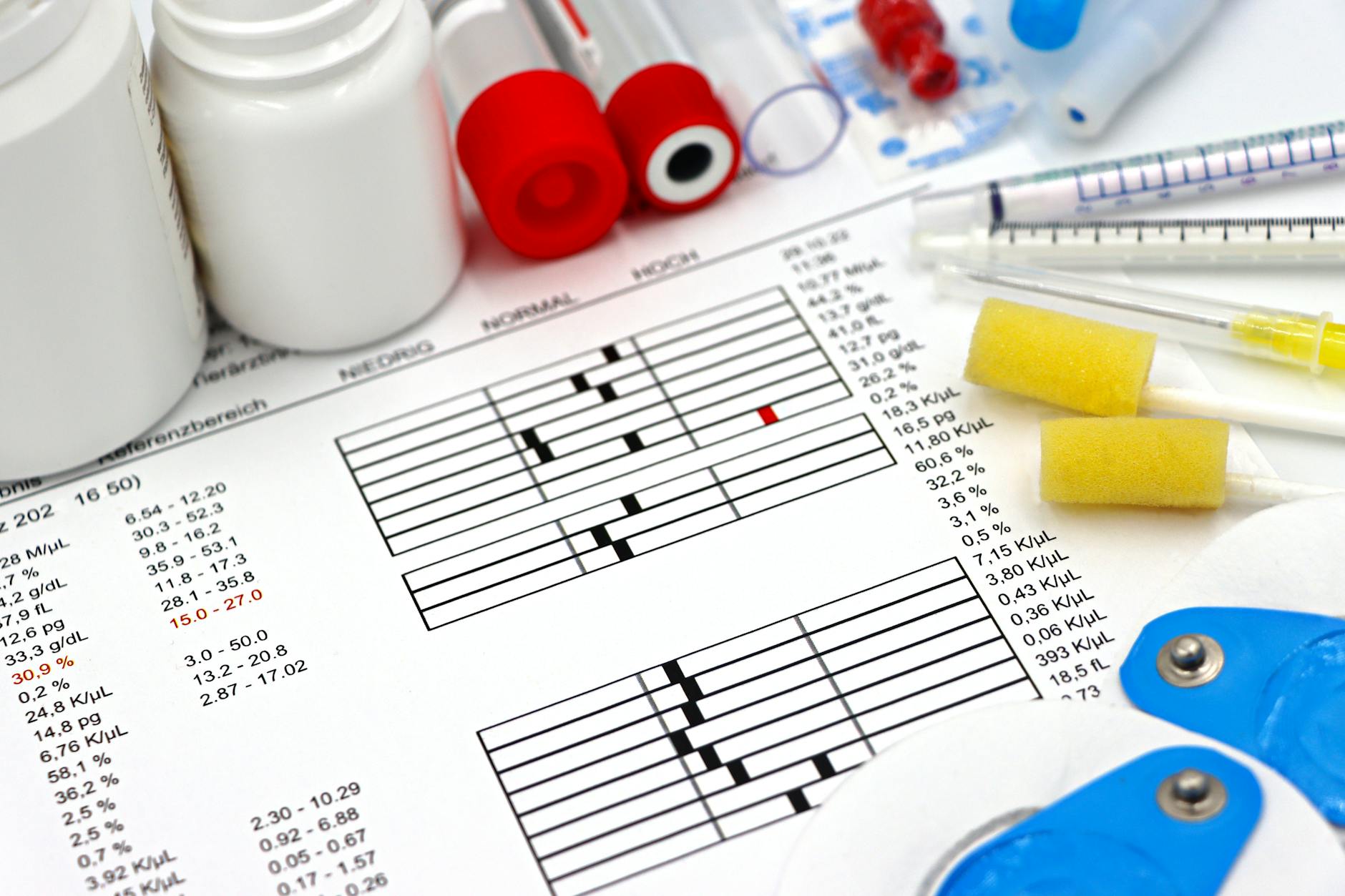
Follicle-stimulating hormone (FSH) measured on cycle Day 3 is the original standard test for ovarian reserve and remains widely ordered in reproductive medicine workups despite being partially superseded by AMH and AFC as more sensitive markers. Understanding what Day 3 FSH measures, why it rises with diminishing reserve, and how to contextualize the result alongside estradiol and AMH gives you a complete picture of what this particular blood test can and cannot tell you.
The Physiology Behind Day 3 FSH Testing
FSH is secreted by the anterior pituitary gland and drives follicle recruitment and development in each menstrual cycle. In a normally functioning ovarian feedback system, developing follicles produce estradiol and inhibin B — hormones that signal the pituitary to reduce FSH output once sufficient follicle recruitment has occurred. When ovarian reserve is diminished and fewer follicles are available to produce adequate inhibin B, the pituitary compensates by secreting more FSH in an effort to recruit the smaller available follicle pool. This compensatory elevation of FSH is what Day 3 testing captures.
Day 3 is the optimal measurement day because it falls in the early follicular phase before any dominant follicle has been selected — at this point, FSH should be at its physiological nadir and the inhibin B feedback from the previous cycle’s luteal phase has cleared. Testing on other cycle days introduces variable inhibin suppression from developing follicles, making the result less interpretable as a reserve marker.
Normal FSH Ranges and What Elevation Means
Day 3 FSH reference ranges using standard immunoassay platforms: normal is generally 3 to 10 IU/L, borderline elevated is 10 to 15 IU/L, and elevated (indicating diminished reserve) is above 15 IU/L. Values above 20 to 25 IU/L are consistent with early ovarian insufficiency, and values in the menopausal range (above 40 IU/L) indicate premature ovarian insufficiency (POI) when occurring before age 40. These ranges assume that the Day 3 estradiol is below 80 pg/mL — elevated estradiol on Day 3 can artificially suppress FSH through negative feedback, creating a falsely normal FSH result despite underlying reserve decline.
Always request the Day 3 estradiol alongside FSH. An FSH of 9 IU/L with an estradiol of 120 pg/mL is not a normal result — the elevated estradiol is suppressing the FSH below its true level, and the estradiol alone signals that follicular development has begun prematurely in the previous cycle, which is an independent marker of reserve limitation. This paired interpretation is the reason clinical guidelines consistently recommend ordering both tests together rather than FSH in isolation.
Cycle-to-Cycle Variability in FSH
FSH is notoriously variable from cycle to cycle in the same individual, particularly in the perimenopausal transition. A normal FSH result in one cycle does not guarantee normal reserve, because the feedback dynamics that produce compensatory FSH elevation may not be fully manifest on every cycle day — some cycles the pituitary succeeds in recruiting enough follicles to generate inhibin B suppression, producing a normal FSH, while other cycles it fails to do so and FSH rises. Clinically, the highest FSH value ever recorded for an individual is considered the most informative single number, regardless of how many normal results were obtained before or after.
This variability is why AMH has largely replaced FSH as the primary reserve marker in clinical practice — AMH is stable across the cycle and more consistent cycle-to-cycle, providing a more reliable baseline. However, FSH retains clinical value because it directly reflects pituitary-ovarian feedback dynamics in a way that AMH does not, and because elevated FSH combined with normal AMH can identify specific subpopulations (such as those with pituitary dysregulation) where the AMH result alone would be falsely reassuring.
FSH and Practical Fertility Planning
For at-home ICI users without a prior fertility workup, a Day 3 FSH (with estradiol) is the lowest-cost entry point for baseline hormonal assessment — typically $30 to $80 through a direct-to-consumer lab order. If FSH is normal and AMH is not available, a normal Day 3 FSH provides reasonable reassurance that reserve is not severely compromised for the current cycle, though it does not rule out early decline that AMH might detect.
If your FSH has returned elevated (above 10 IU/L) on two or more cycles, this warrants a full reproductive endocrinology consultation before continuing with unmonitored at-home ICI cycles. The clinical reason is not that conception is impossible, but that elevated FSH reflects a physiological state where optimizing timing and potentially adding cycle monitoring (ultrasound-confirmed ovulation, progesterone level check in the luteal phase) is more important than in cycles where hormonal reserve markers are normal. Proceeding with timed ICI is still entirely appropriate — the supplemental information helps ensure you are inseminating at the optimal time and gives early warning if the cycle is anovulatory.
For a complete at-home insemination solution, the His Fertility Boost includes everything you need for a properly timed, sterile ICI cycle.
Further reading across our network: IntracervicalInsemination.org · MakeAmom.com · IntracervicalInseminationKit.info
This article is for educational purposes only and does not constitute medical advice. Always consult a qualified healthcare provider before making decisions about your fertility care.
Dr. James Okafor, MD
MD, Male Fertility Specialist
Urologist specializing in male fertility, sperm health, and andrology. He consults for several sperm banks and fertility clinics nationwide.
Skip the Guesswork
Complete kits bundle the syringe, supplements, and tests together — saving time and money.
See Complete Kits