Zinc and Selenium for Sperm Quality: Evidence-Based Dosing and What to Expect
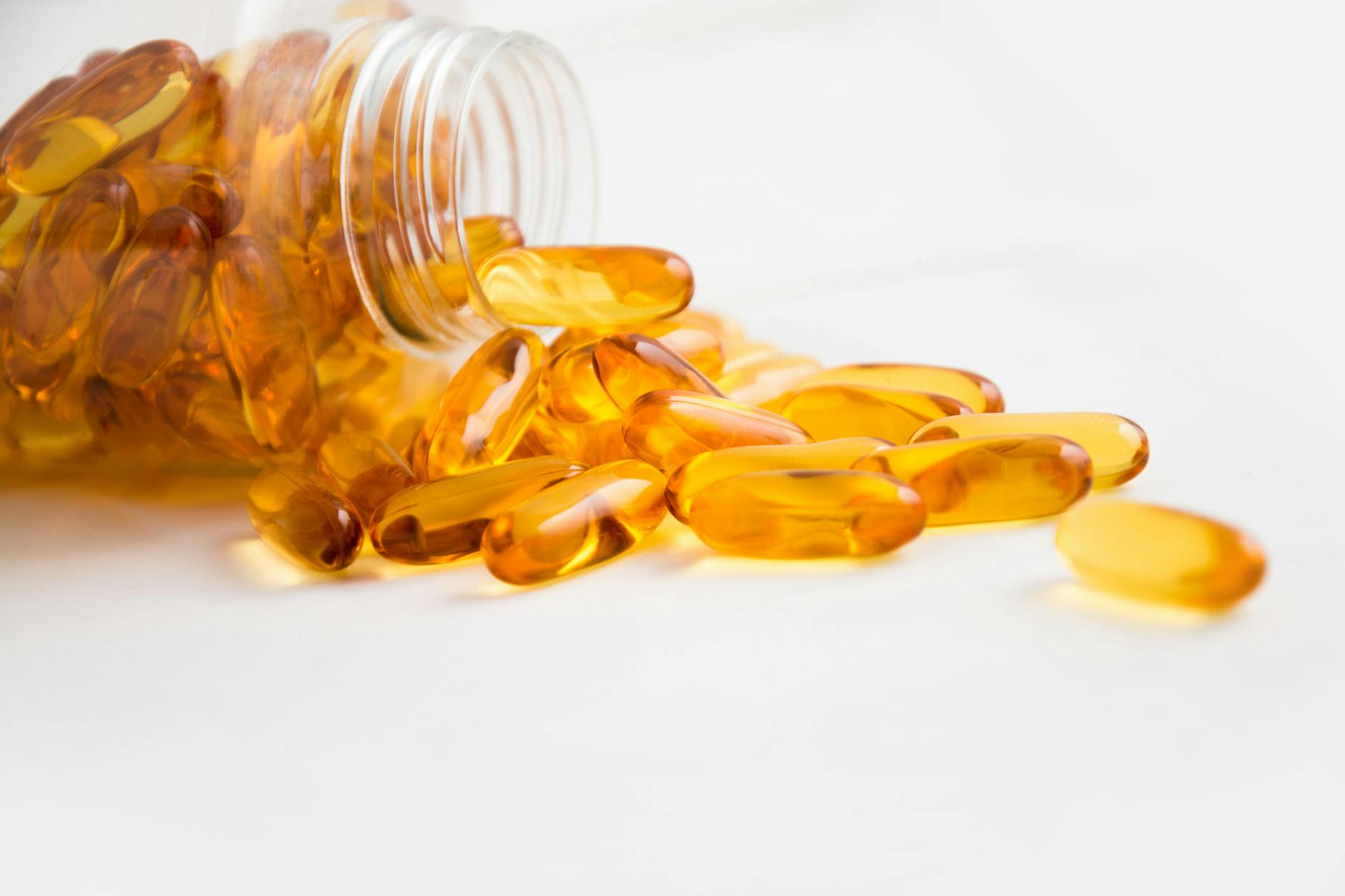
Zinc and selenium are the two trace minerals most consistently associated with male reproductive health in both epidemiological and interventional research. Both are found in high concentrations in testicular tissue and seminal plasma, where they serve distinct but complementary roles in sperm production, maturation, and DNA protection. For couples pursuing at-home ICI with fresh partner sperm, optimizing these micronutrients represents a modifiable sperm quality factor with strong mechanistic and clinical evidence.
Zinc’s Role in Sperm Production and Function
Zinc is the most abundant trace mineral in seminal plasma, with concentrations approximately 100 times higher than in blood serum. It serves multiple essential functions: it stabilizes sperm DNA by binding to the chromatin condensation proteins that package DNA during spermatogenesis, reducing DNA fragmentation index (DFI); it is a cofactor for testosterone-synthesizing enzymes in Leydig cells, directly supporting androgen production that drives spermatogenesis; and it regulates the acrosome reaction — the molecular fusion event that allows a sperm cell to penetrate the zona pellucida of an egg.
Zinc deficiency has been consistently associated with oligozoospermia (low sperm count), asthenozoospermia (poor motility), and elevated DFI in multiple clinical studies. A systematic review published in Reproductive Biology and Endocrinology analyzed 21 studies on zinc supplementation and sperm parameters, finding statistically significant improvements in total motility (average increase of 9%) and morphology (average improvement of 6%) in zinc-deficient men, with smaller but still positive effects in zinc-sufficient men with idiopathic infertility.
Selenium’s Antioxidant and Structural Roles
Selenium is incorporated into selenoproteins — a unique class of proteins with an unusual selenocysteine amino acid at their active site — many of which serve critical antioxidant functions. Glutathione peroxidase 5 (GPx5), a selenium-dependent enzyme expressed in the epididymis, is the primary antioxidant defense for sperm during epididymal maturation and transport. Phospholipid hydroperoxide glutathione peroxidase (PHGPx, also called GPx4) is literally a structural component of the sperm midpiece, where it cross-links with other proteins to form the structural integrity of the flagellar cytoskeleton. Selenium deficiency therefore compromises both antioxidant protection and sperm flagellar structure simultaneously.
Clinical studies on selenium supplementation in men with idiopathic asthenozoospermia have shown improvements in progressive motility of 10% to 15% with selenium alone, and 15% to 25% when selenium is combined with vitamin E. The vitamin E-selenium combination has a well-established synergy: selenium regenerates oxidized vitamin E back to its active form in the glutathione cascade, extending the effective antioxidant protection of both micronutrients in the testicular environment.
Evidence-Based Dosing and Safety Considerations
For zinc, the standard evidence-based dose for male fertility support is 25 to 66mg of elemental zinc daily. Zinc is commonly sold as zinc gluconate, zinc citrate, or zinc picolinate — picolinate and citrate forms have higher bioavailability than oxide or sulfate forms and are preferred. The tolerable upper intake level (UL) for zinc is 40mg elemental zinc daily from all sources combined (food plus supplements). Supplementation above 40mg daily chronically can impair copper absorption — copper and zinc compete for intestinal absorption transporters — potentially causing copper deficiency anemia with long-term high-dose zinc use. At the recommended 25 to 40mg dose, copper co-supplementation of 1 to 2mg daily is often recommended as a preventive measure.
For selenium, 100 to 200 mcg daily as selenomethionine (the most bioavailable organic form) is the dose range supported by reproductive research. The tolerable upper intake level for selenium is 400 mcg daily from all sources. The difference between the therapeutic dose (200 mcg) and the UL (400 mcg) is narrower than for most micronutrients, so users should account for dietary selenium intake (particularly from high-selenium foods such as Brazil nuts — a single Brazil nut contains approximately 70 to 90 mcg of selenium) before adding full supplement doses.
Timeline and What to Realistically Expect
Spermatogenesis — the production of new sperm from stem cells to mature, ejaculable spermatozoa — takes approximately 74 days (approximately 10 to 11 weeks). This means that any supplement intervention that affects sperm production will not be reflected in semen analysis parameters until at least 10 to 12 weeks after starting supplementation. For zinc and selenium, most clinical improvement studies use a supplementation period of 3 to 6 months before assessing outcomes. Begin supplementation ideally 3 months before planned ICI cycles if sperm quality is a concern, not the week before.
The magnitude of improvement from zinc and selenium supplementation is significant in deficient men but modest in those who are already replete. If a semen analysis shows normal parameters (WHO 2021 reference values: total motility above 42%, progressive motility above 30%, morphology above 4% strict Kruger criteria), supplementation with zinc and selenium provides limited additional benefit and is principally a maintenance strategy rather than a corrective one. Prioritize supplementation in men with borderline or below-reference sperm parameters where the evidence for meaningful improvement is strongest.
For a complete at-home insemination solution, the His Fertility Boost includes everything you need for a properly timed, sterile ICI cycle. For a complete at-home insemination solution, the MakeAmom His & Hers Kit includes everything you need for a properly timed, sterile ICI cycle.
Further reading across our network: IntracervicalInsemination.org · MakeAmom.com · IntracervicalInseminationKit.info · IntracervicalInseminationKit.org
This article is for educational purposes only and does not constitute medical advice. Always consult a qualified healthcare provider before making decisions about your fertility care.
Jordan Walsh
Parent, Community Contributor
Single parent by choice who conceived their child via home ICI after two years of trying. Jordan now blogs about solo parenthood and the path to conception.
Skip the Guesswork
Complete kits bundle the syringe, supplements, and tests together — saving time and money.
See Complete Kits