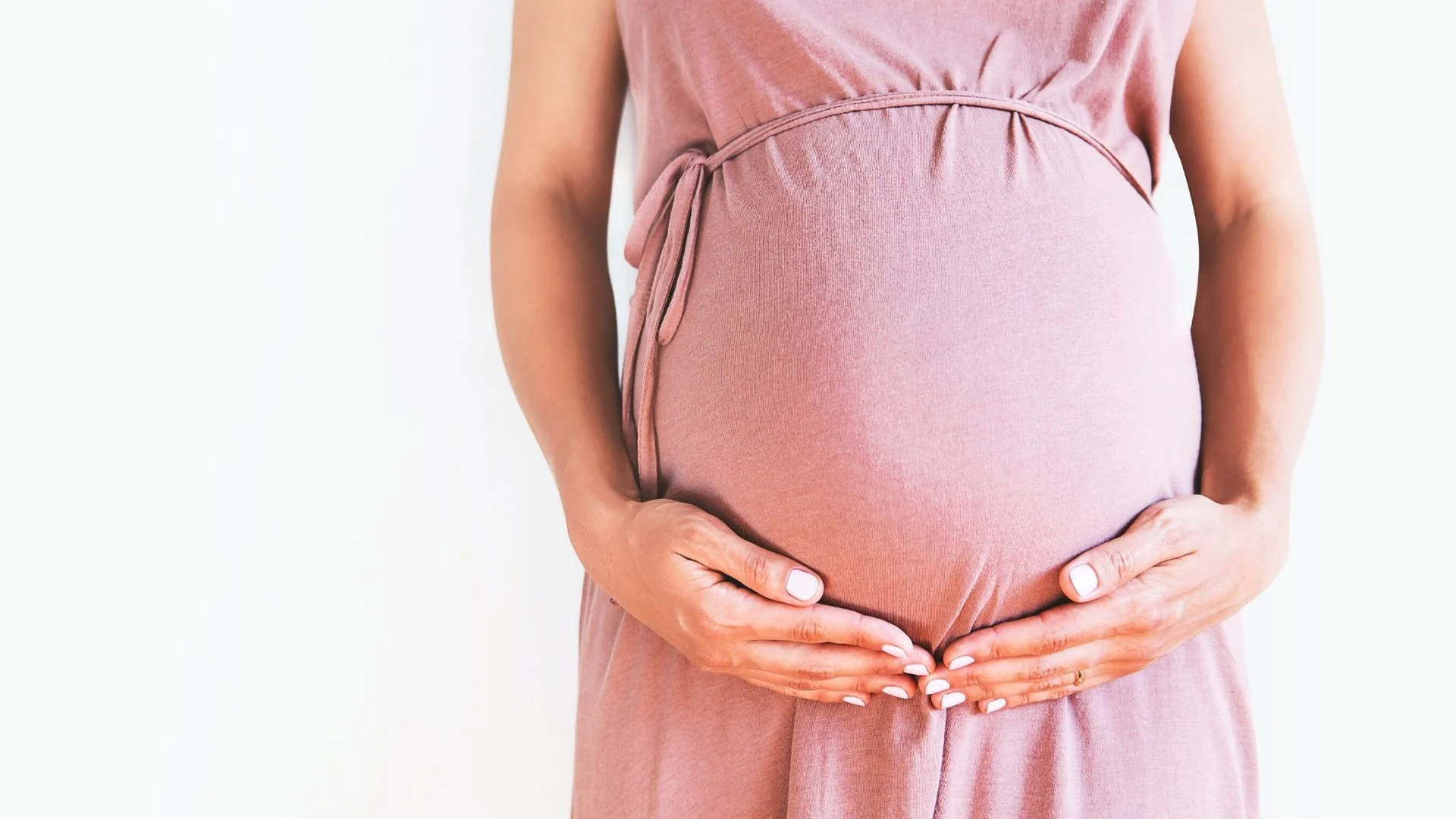
Long before my son was even a twinkle in my eye, I envisioned the serene experience of his birth. I imagined laboring at home, with my partner racing to the hospital in the quiet of dawn, while I encouraged him to take it easy between contractions. My dreams painted a picture of a natural, drug-free experience, culminating in an empowering moment as my baby entered the world. But, as life often reminds us, reality doesn’t always align with our expectations.
At 39 weeks, I was diagnosed with gestational hypertension, which meant my son’s arrival would require medical intervention. Instead of practicing breathing techniques on a birth ball, I found myself confined to a hospital bed, tethered to monitors for both my and my baby’s well-being. When the decision to induce labor came at 1 a.m., after hours of waiting, I felt a wave of disappointment wash over me. It seemed as though my carefully crafted birth plan was being taken away.
Yet, my son arrived—healthy and screaming—unaware of my unmet aspirations. In the aftermath, I struggled with intense postpartum depression (PPD). I had envisioned feeling like a warrior, empowered by the experience of bringing new life into the world, but instead, I was left feeling defeated. I wanted to direct my frustration toward the medical team for their swift diagnosis or for not allowing me to move freely during labor. I convinced myself that these interventions contributed to my feelings of inadequacy.
Fast forward nearly two years, and my perspective has shifted dramatically. I no longer attribute my lack of empowerment to others; rather, I’ve come to question my own rigid definitions of empowerment and the prevailing belief that “natural is best.” This notion not only applies to childbirth but extends to infant feeding as well, with the common mantra that “breast is best.” This ideology suggests that every dedicated mother must strive for exclusive breastfeeding, often at great personal cost.
My transformation began shortly after my son’s birth. When my milk didn’t come in, I turned to formula, which ultimately nurtured both my baby and my mental health. I also realized that, as a military spouse managing sleepless nights, the idea of attachment parenting wasn’t going to magically solve my exhaustion. My obstetrician, who had his own experiences with formula feeding, prescribed me Zoloft, encouraging me to prioritize my well-being during a time that should have felt joyful.
I began to see that perhaps natural isn’t always better, and that intervention can often be beneficial. For those who might not feel the weight of the “natural is best” philosophy, it’s easy to overlook the pressure many pregnant women face. Are we not all focused on the health of ourselves and our babies? Does anyone truly desire a drug-free birth just for the sake of the experience?
Yet, society—through blogs, parenting websites, fellow mothers, and even some medical professionals—often promotes the idea that empowering births and breastfeeding should be our ultimate goals. I can firmly attest that this mindset impacted me more negatively than the medical interventions I initially blamed.
Now, as I prepare for the birth of my second child, my only priority is a healthy baby. I’m open to the possibility of needing Pitocin again and won’t hesitate to request an epidural. I’ve also equipped myself with both a breast pump and formula, ready for whatever feeding journey lies ahead. I’m stepping into motherhood this time free from external pressures and expectations. If postpartum depression resurfaces, it won’t be compounded by feelings of failure tied to my birthing or feeding choices. This newfound freedom from pressure is my true definition of empowerment.
For those considering their options, whether it be pregnancy or home insemination, resources like the CDC’s guide on infertility can be invaluable. If you’re exploring at-home options, you might also find useful information on this blog about artificial insemination kits or check out this resource for advice on home insemination.
In summary, my journey through motherhood has taught me to redefine empowerment and to understand that choices regarding birth and feeding should be made with the well-being of both mother and child in mind, free from societal pressures.
Leave a Reply