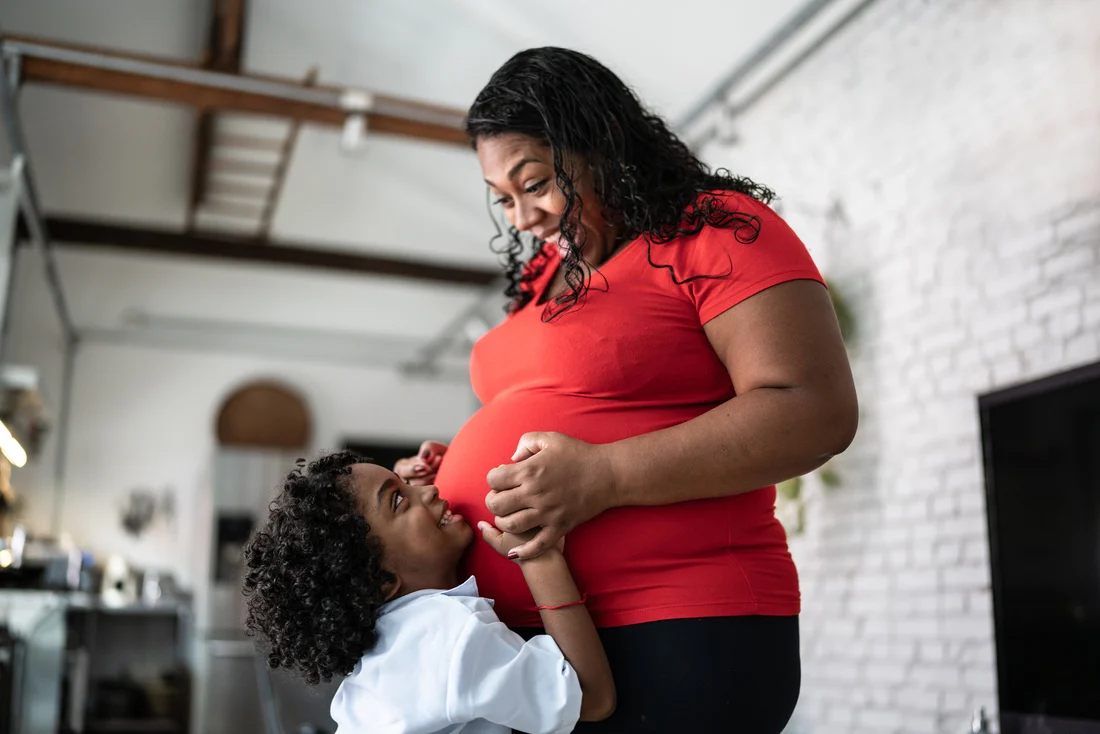
The woman who brought my twin daughters into the world embodies many qualities, but she is not their mother. She is the compassionate soul who carried my girls, nurturing them when I was unable to do so. Her kindness, generosity, and unwavering support have forged a bond between us that is both profound and unique. Today, she is a cherished friend, but she does not hold the title of my daughters’ mother.
If you were to ask her, she would wholeheartedly agree. This sentiment is echoed by gestational surrogates everywhere. They are not the mothers of the children they carry; instead, they perform a remarkable act that creates an extraordinary connection. A gestational surrogate does not share a genetic bond with the embryo she carries; it is created by others and placed in her womb to blossom into life. Occasionally, the embryo may belong to the intended parents, but sometimes donors are involved, requiring a collaborative effort to create a family.
My Journey to Parenthood
In my own journey, my husband and I began the process of freezing embryos shortly before our wedding. Just three months prior, I received a cancer diagnosis that threatened my fertility. I remained stoic as I faced surgeries and treatments, but the prospect of infertility brought me to tears. Thankfully, my oncologist recognized my distress and referred me to a fertility specialist. With their help, we managed to create eight embryos, which gave me hope for the future.
After a year of remission, we attempted to start our family, but I faced a severe complication during the birth of our son. A hysterectomy saved my life, but I was left heartbroken, knowing I couldn’t carry our remaining embryos to term. That’s when I met Emily. She reached out to me after hearing my story, eager to help despite knowing we couldn’t afford a surrogacy agency. Her willingness to assist us when we were at our lowest was a lifeline.
The Surrogacy Process
To become a gestational surrogate, a woman must commit fully to the process. This includes medical and psychological screenings, background checks, legalities, and extensive paperwork. If successful, she endures the physical challenges of pregnancy and labor. Emily embraced every step with grace and determination. She cared for our daughters until they were ready to enter the world, and my husband and I were present as she brought them into our lives.
While Emily gave our daughters life, she is not their mother. She occupies a special place in our family’s heart, deserving of recognition and appreciation. To honor her, we established Surrogate’s Day on September 25th—the day our embryos were placed in her care. This date signifies a pivotal moment that changed our lives forever. Thanks to Emily’s selflessness, we now have the family we always dreamed of.
Celebrating Surrogates
We may not express our gratitude daily, but not a moment passes without our appreciation for her extraordinary gift. Each year, we celebrate Emily and her contributions to our family on Surrogate’s Day. This idea is gaining traction in the surrogacy community, as we encourage everyone to honor the incredible women who serve as gestational surrogates. We invite you to join us each year in celebrating these remarkable individuals who help turn dreams into reality.
For more insights on this topic, check out this resource for pregnancy and home insemination, or explore this informative article on fertility journeys. You can also find helpful tools, like a home insemination kit to support your efforts.
Conclusion
In summary, the woman who gave birth to my daughters is not their mother, but a remarkable individual who played a crucial role in our family’s journey. She deserves every bit of recognition for her incredible gift. Surrogate’s Day is our way of honoring her and the many others like her.
Leave a Reply