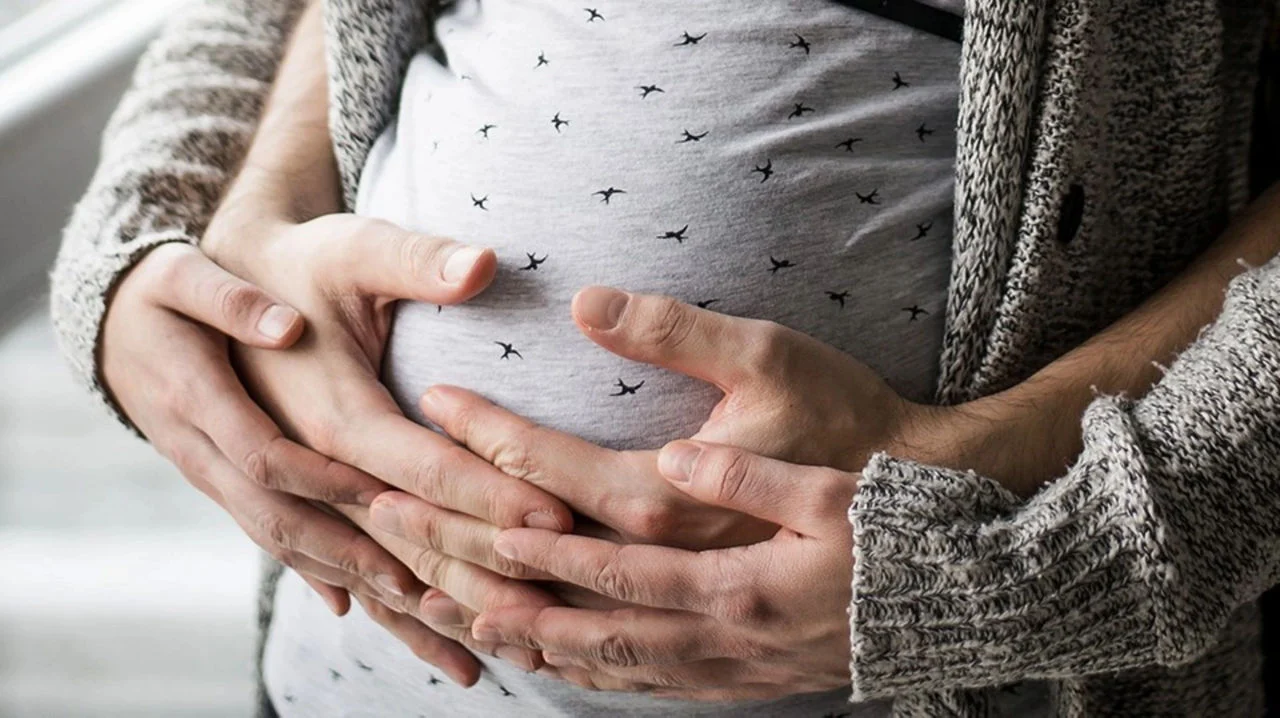
Today marks six weeks since my daughter arrived, the point when many new mothers in the U.S. are deemed “healed.” This timeframe often coincides with the conclusion of maternity leave for working moms, and it’s the moment when we attend our (usually only) follow-up appointment with the OB-GYN after enduring significant physical trauma.
These past six weeks have been the most challenging of my life, both physically and emotionally. There is so much about this journey that isn’t discussed openly—largely due to a society that undervalues women’s health and the stigma surrounding candid conversations about the harsh realities of childbirth and postpartum life.
Just yesterday, I celebrated the first day without wearing a pad, having finally stopped bleeding. Yet, I still find comfort in my mesh hospital underwear some days; it’s all about feeling as cozy as possible. The thought of inspecting my body after tearing, stitches, and everything else is intimidating. I only recently transitioned from using a cleansing water bottle to wiping normally, and let me tell you, it was nerve-wracking. Although I’m no longer experiencing vaginal bleeding, I’m still dealing with persistent hemorrhoids. Not to mention the pelvic and leg pain that made enjoying the sunny weather impossible until just a couple of weeks ago. The idea of using a tampon or even engaging in intimacy feels far out of reach.
And let’s not forget the emotional rollercoaster. Those first two weeks brought a flood of hormones that had me crying daily, questioning my ability to be a good mother. I struggled with feelings of disconnection from my baby, and the anxiety of holding her while standing up was compounded by intrusive thoughts of potential accidents. Each new day felt overwhelming, filled with the fear of sleepless nights and the daunting prospect of caring for a newborn alone until my partner returned home.
Fortunately, things have started to feel less dire. I’m gradually adapting to this new reality. I’ve connected with wonderful friends who are also navigating motherhood, and we’ve been supporting each other through our shared experiences. Weekly support groups have further affirmed that what I’m going through is completely normal. While everyone’s journey is unique, many of us share similar struggles.
Society often expects women, especially mothers, to be resilient martyrs, silently enduring their hardships. It can be uncomfortable to see the raw truths of postpartum life brought to light, disrupting the illusion of idealized motherhood. Yet, it’s essential to acknowledge that even the most beautiful experiences, like childbirth, can be incredibly tough.
I can feel both love for my baby and frustration with aspects of this experience; I can be in awe of her development while secretly wishing for a break until she’s a bit more settled.
As I look ahead to the next six weeks, I’m unsure of what to expect. But I am committed to continuing this honest dialogue about the highs and lows of motherhood. Hopefully, over time, the joys will begin to outweigh the challenges.
For those considering the incredible journey of motherhood, don’t forget to check out our other blog posts, like those on boosting fertility supplements, to get started. And for a reliable resource on home insemination, explore more about the BabyMaker Home Intracervical Insemination Syringe Kit Combo. You can also find helpful information about fertility and insurance options.
In summary, the journey through postpartum recovery is often underestimated, leaving new moms feeling unsupported. It’s crucial to break the silence surrounding these experiences and create a community where we can share our truths.
Leave a Reply