A Week-by-Week Guide to Your Pregnancy Journey
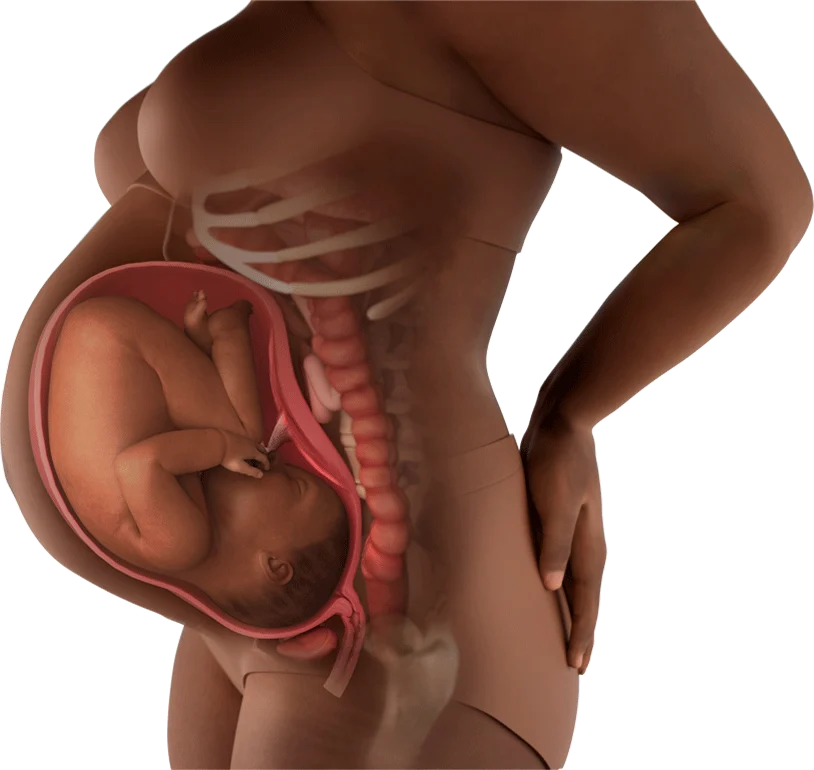
Welcome to your week-by-week pregnancy guide, where we provide essential insights on what to expect during this exciting time. From your baby’s development to your body’s changes, we have you covered for week 13.
Your Body at 13 Weeks Pregnant
As you approach the second trimester, you might be facing some discomforts, such as pregnancy heartburn and indigestion, which can be triggered by certain foods. This discomfort may persist as your growing uterus pushes your organs into a compact space.
On the bright side, entering the second trimester means a decrease in the risk of miscarriage and a potential boost in your energy levels, allowing you to prepare your home for your baby.
Stretch Marks During Pregnancy
As your body adjusts to accommodate your growing baby, you may begin to see the emergence of stretch marks. These pink or red marks often appear on the abdomen, hips, thighs, and breasts. A 2016 study found that more than half of pregnant women develop stretch marks, which are largely influenced by genetics. Keeping your skin moisturized with products like cocoa butter can enhance elasticity, and remember, stretch marks typically fade postpartum.
Your Baby at 13 Weeks Pregnant
At this stage, your baby is about the size of a buffalo chicken wing, measuring approximately 3¾ inches long and weighing around 1¼ ounces. Remarkably, all major organs are fully formed, and your baby has developed unique fingerprints. The bladder is now operational, meaning your little one is actively swallowing and expelling amniotic fluid. Additionally, the vocal cords are starting to develop, paving the way for those sweet sounds you’ll soon cherish.
Health and Symptoms at 13 Weeks Pregnant
Nuchal Translucency Ultrasound: Between weeks 11 and 13, your OB will likely schedule a Nuchal Translucency ultrasound. This test, combined with blood work, assesses the risk of chromosomal conditions such as Down syndrome and trisomy 18.
Invest in a Pregnancy Body Pillow: Now is a great time to consider using a pregnancy body pillow. As your belly grows, sleeping on your left side can enhance circulation, and a specially designed pillow can provide added comfort by alleviating pressure on your hips and lower back.
Managing Heartburn: As you hopefully start to enjoy food again, heartburn might become a new challenge. This symptom often appears in the second and third trimesters due to hormonal changes affecting digestion. To minimize heartburn, avoid spicy and greasy foods, eat smaller meals throughout the day, and refrain from lying down immediately after eating.
Clumsiness: You may notice yourself feeling a bit more unsteady or prone to dropping things. This is a common experience as pregnancy hormones relax your joints, affecting your balance. Stay cautious and aware of your surroundings!
Navigating Twin Pregnancies: If you’re expecting twins, you’ll need to be particularly attentive to your iron and folate intake to prevent anemia. Expect to gain more weight than in a singleton pregnancy—aim for 40-50 pounds instead of the usual 25-35. Balancing healthy meals with your cravings will ensure both babies receive adequate nutrition.
For additional insights into pregnancy and home insemination methods, consider checking out this excellent resource. To explore more about preparing for pregnancy, visit our post about home insemination kits that can assist you on your journey.
Summary
At 13 weeks pregnant, your baby is developing rapidly, becoming more active and preparing for the next stages of growth. You may experience new symptoms like heartburn and changes in balance, but the positive aspects of entering the second trimester will soon outweigh any discomforts. Stay informed and prepared as you continue this beautiful journey toward parenthood.
Leave a Reply