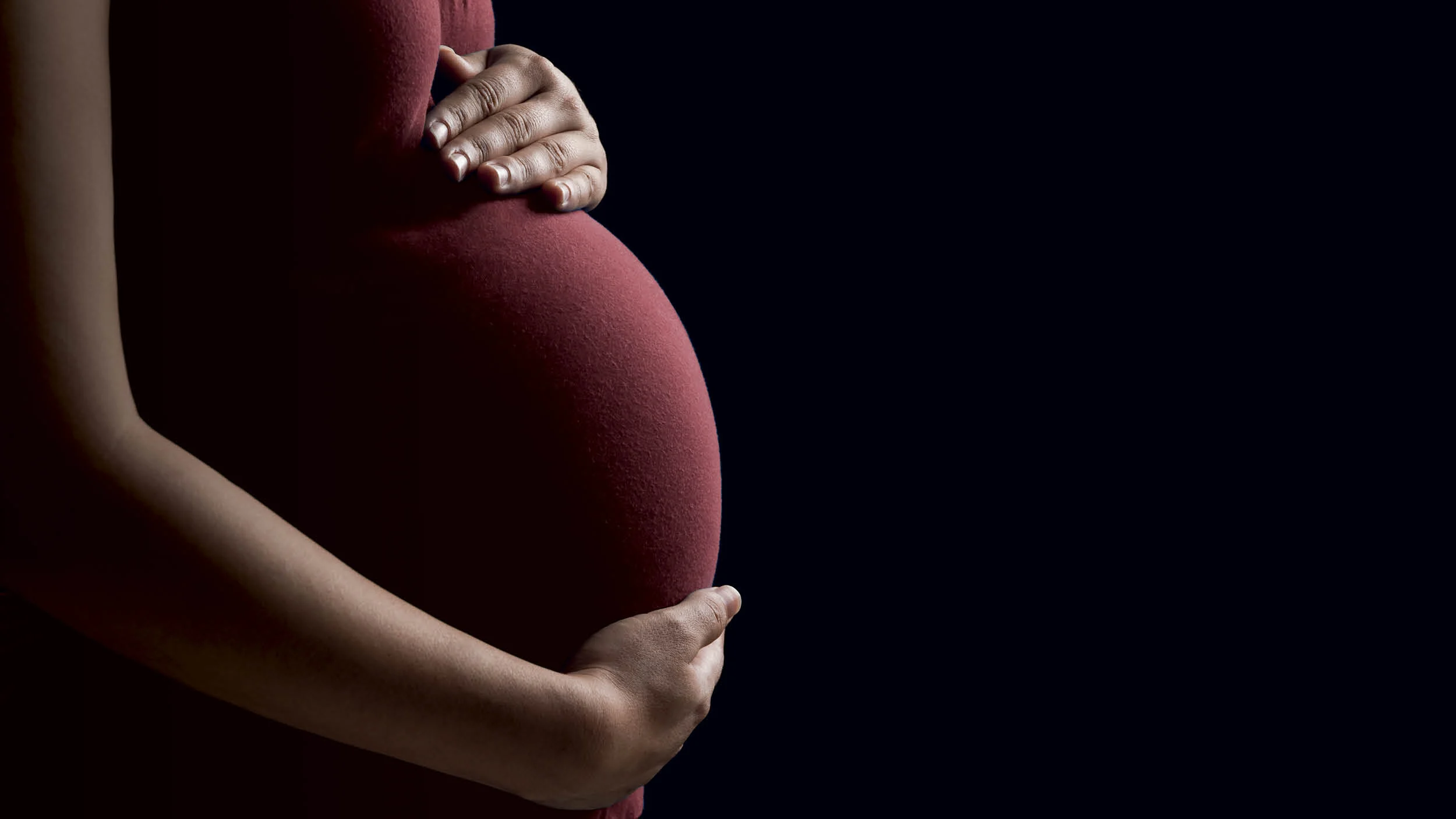
Childbirth is often depicted as a joyous event, yet for many, including myself, it can be fraught with unexpected challenges and emotional turmoil. Prior to the birth of my first child, I had a clear vision of how I wanted my experience to unfold. I had read only one book, deliberately skipping the sections on C-sections, as I believed they were reserved for exceptional complications. My desire was for a “natural” birth, a notion I held tightly to, even as I grappled with the idea of relying on medication during labor.
Despite my hopes, the reality was starkly different. My water broke, and after 13 hours of labor without progress, I found myself needing to be induced. After enduring hours of labor and reaching eight centimeters dilation, I felt my baby shift, only to realize she was stuck in a posterior position. Within moments, the atmosphere in the room shifted dramatically as a team rushed in, preparing me for an emergency C-section. The pain was overwhelming, and as they prepped me for surgery, my husband was left outside, leaving us both alone with our fears and uncertainties.
When I finally met my daughter, she was beautiful, and yet I felt an immediate sense of loss for the experience I had envisioned. Recovering alone, I was overwhelmed with feelings of anxiety and disappointment, wishing for my daughter and husband to be by my side. This initial separation compounded my feelings of trauma as I attempted to bond with my newborn.
Although I was grateful that we were both healthy, the emotional scars from that experience lingered. I often found myself comparing my situation to others, which, while common, can diminish the validity of one’s own struggles. My feelings of anger and jealousy towards other mothers who seemed to have smoother experiences were difficult to reconcile. It took time to process the layers of grief, disappointment, and confusion that accompanied my difficult delivery.
When I became pregnant with my son, I hoped for a different outcome, eager to try for a vaginal birth after C-section (VBAC). While I was determined to heal from my first experience, the second birth was even more traumatic. As labor progressed, I felt the same sensation of my baby moving and then stopping, leading to an overwhelming sense of déjà vu. The cycle of fear and disappointment continued.
Ultimately, this journey has been a long one, filled with emotional ups and downs. It took me considerable time to process my experiences fully. I have learned that sharing these stories is vital — not just for my healing but as a means to connect with others who may feel alone in their struggles. If you or someone you know is navigating similar feelings, resources such as WomensHealth.gov provide essential support and information.
The experiences of childbirth can vary dramatically, and it’s important to acknowledge and validate your feelings regardless of the outcome. For those considering home insemination as an alternative pathway to parenthood, this guide on home insemination kits offers valuable insights. Additionally, exploring more personal stories can shed light on different perspectives, like that found in this blog post.
In summary, my childbirth experiences were not what I had envisioned, marked by trauma and emotional strain. It has taken time to heal, but sharing my journey can provide comfort and understanding to others facing similar challenges.
Leave a Reply