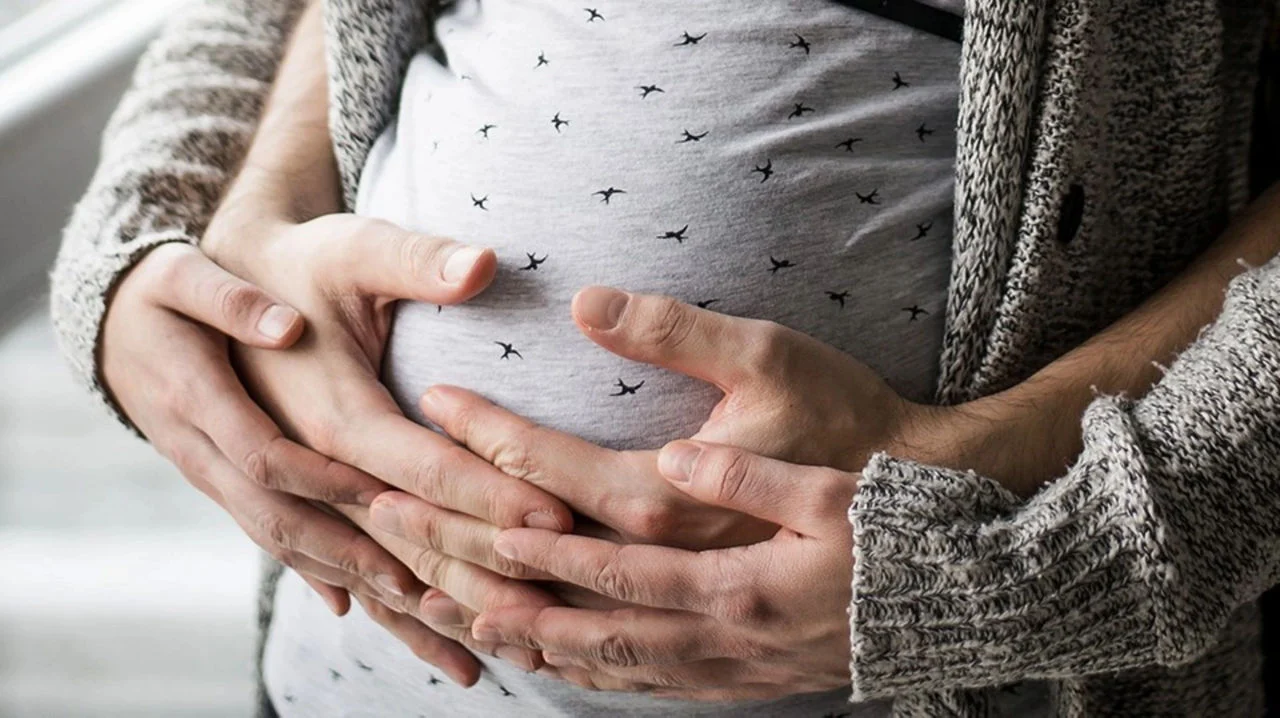
When my son came into the world in 2016, I felt as though my entire existence had shifted. Any parent will tell you that welcoming a new child changes everything, and for me, it was the most profound transformation I had experienced in my 30 years of life. I embraced my new identity as a mother, believing wholeheartedly that it made my life richer. My husband felt the same way. Despite facing initial challenges after our son’s birth, we decided, with faith, to expand our family just two years later, and our daughter arrived 27 months afterward.
Reflecting on my journey, my pregnancy with my son and his dramatic entry into the world had an impact I couldn’t fully grasp at the time. As someone trained in school psychology and familiar with mental health, I knew I had a genetic inclination toward anxiety and occasional depression. However, it wasn’t until my daughter was born that I had to confront the reality that I could manage postpartum anxiety through medication after my son, but I needed professional support to tackle the postpartum depression and suicidal thoughts that followed my daughter’s birth. By the time she was eight months old, I was under the care of both a clinical psychologist and psychiatrist, attending weekly therapy to address my mental health struggles.
Ironically, my husband was one of those professionals—a clinical psychologist with a doctorate who had explored his own mental health due to past trauma. Yet expertise doesn’t guarantee immunity. He too faced the challenges of navigating the stress that came with my difficult pregnancies and the chaos of parenting. The burden of a colicky infant, sleep deprivation, rising financial pressures, and the struggle to prioritize his own self-care weighed heavily on him. Despite his deep love for our children, he frequently expressed longing for the time we used to spend together as a couple. We found ourselves juggling our responsibilities as parents while trying to carve out moments for self-care and nurturing our marriage.
Then, just three months before our daughter was born, my husband endured a traumatic assault at work. Instead of seeking help, he remained silent, pouring all his energy into caring for our family and his patients. He believed it was his duty as a husband, father, and mental health practitioner. He worked tirelessly to establish a successful practice that would provide for us and fulfill our dreams.
Tragically, his neglect of self-care and mental health culminated in a dependency on alcohol. On May 25, 2019—just a month shy of his 33rd birthday—his struggle with addiction, untreated trauma, and delusional thoughts led him to take his own life.
Our lives, along with our children’s, were shattered in an instant. We were left in unimaginable grief, heartbroken and in shock. How could I not have seen the warning signs? As a school psychologist, I felt an overwhelming sense of guilt. I had devoted my life to helping others, yet I couldn’t protect my own family from this tragedy.
In the aftermath of my husband’s death, I was enveloped by trauma and grief. A community rallied around us, caring for my children and providing support as we tried to rebuild our lives. However, my trust in others was shattered. If the person I loved most could leave us so abruptly, how could I trust anyone? How could I trust myself after failing to foresee this tragedy?
The journey to healing has been incredibly challenging and is still ongoing. Yet, I have learned that sometimes you must lose yourself to rediscover who you are. There are moments when I find solace in knowing that God has a greater plan for my life and my children than I could ever imagine.
Three Essential Truths
Through my healing, I have come to recognize three essential truths:
- Embracing your true self takes courage, but life is too short to be anything less. We are all just a moment away from profound change. Vulnerability is vital in saving one another—we all have a story that deserves to be heard.
- Faith serves as my guiding light. Though I felt anger toward God initially, I am aware that His plan for us is far superior to anything I could conceive. I receive “winks” from above—sometimes through people, sometimes through signs like rainbows—that remind me of His presence and my husband’s spirit.
- Hope is always within reach for brighter days. Healing happens within community. Surround yourself with those who uplift you. Eventually, trust can be rebuilt. My journey is far from over, and neither is yours.
If you or someone you know is grappling with suicidal thoughts or addiction, please seek help. You don’t have to navigate this path alone. For more information, visit this excellent resource on pregnancy and home insemination.
Summary: Clara Thompson shares her heartbreaking journey following her husband’s suicide, exploring the challenges of mental health, grief, and the importance of community support. Through her struggles, she discovers resilience, faith, and the power of vulnerability.
Leave a Reply