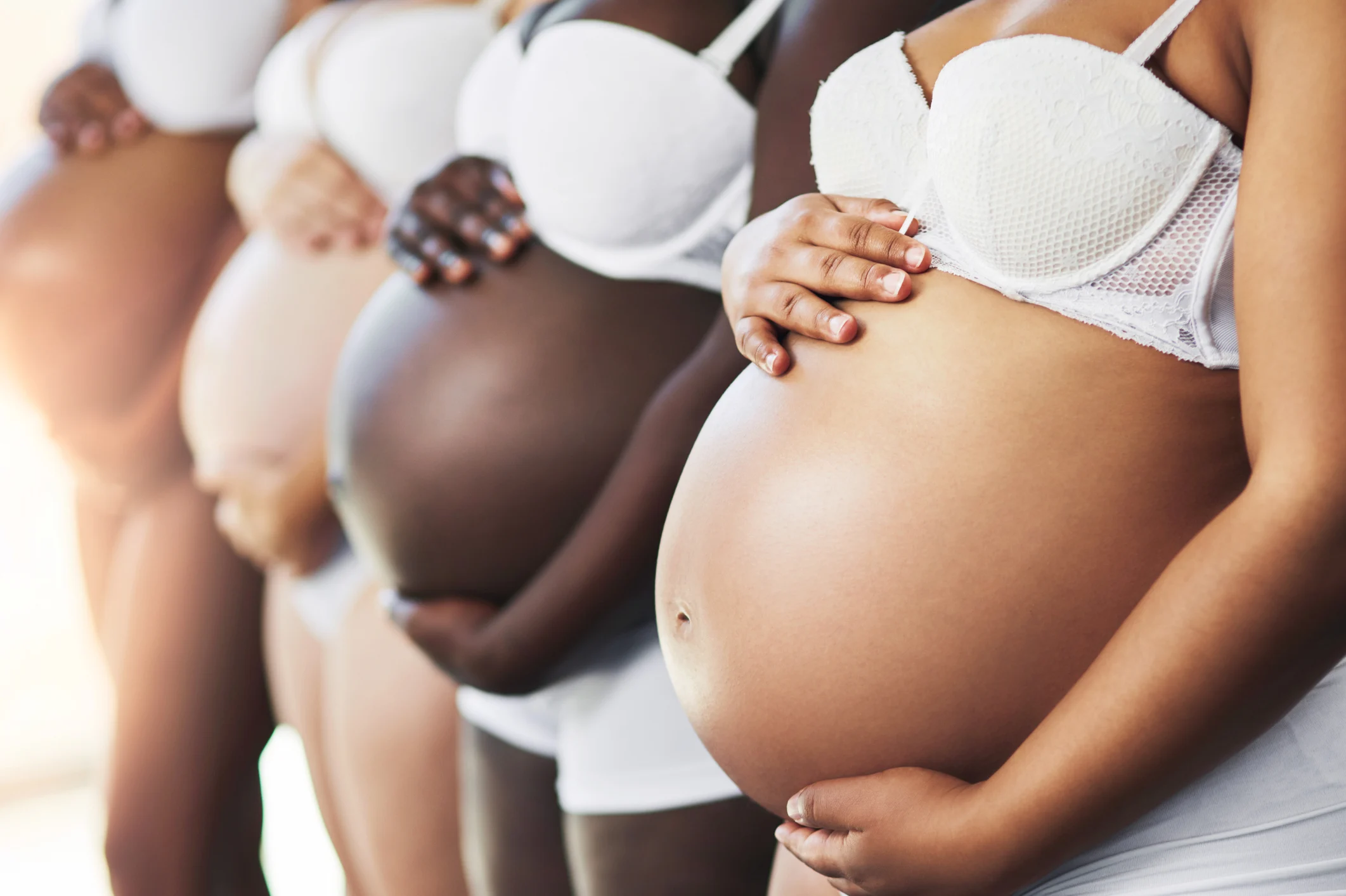
Pregnancy brings a whirlwind of new sensations, some of which can be downright uncomfortable—like rib pain. While this issue is often associated with the third trimester (from about 28 weeks onward), it can actually start earlier. Before you start to worry, take a deep breath: rib pain is quite common and usually not serious. But if you’re looking for more information, you’re in the right place.
We’ve compiled a comprehensive guide on rib pain during pregnancy. First things first, it’s not an early pregnancy symptom (though you might experience other signs like tender breasts and frequent urination). Keep reading to learn what causes this discomfort, how to alleviate it, and when to consult your healthcare provider.
What Causes Rib Pain During Pregnancy?
Your body changes dramatically during pregnancy, with some alterations being visible and others occurring beneath the surface. Here are some common culprits behind rib pain:
- Hormonal Changes: Pregnancy hormones, particularly progesterone and relaxin, loosen your muscles and ligaments to prepare for labor. This can lead to discomfort in your ribs and other areas.
- Growing Baby: As your baby and uterus expand, they can press against your ribs, especially in the late second and third trimesters.
- Round Ligament Pain: The round ligaments that connect your uterus to your groin can become strained as your belly grows, causing pain that radiates to your ribs, back, and pelvis.
- Baby’s Position: Feeling your baby move can be exciting, but those kicks to the ribs can be jarring!
- Heartburn: The pressure from your growing baby can lead to heartburn and acid reflux, which may feel like a burning sensation in your ribs.
- Gallstones: Pregnancy increases the risk of gallstones due to hormonal changes that slow down gallbladder emptying.
- Urinary Tract Infections: Pregnant women are more prone to UTIs, which can lead to kidney pain that feels similar to rib pain.
- Constipation: The struggle with constipation can lead to abdominal pain that radiates to the rib area due to trapped gas.
- Body Changes: As your body adapts to carry a growing baby, the strain on your abdominal and rib muscles can lead to discomfort.
Can a Baby Break Your Ribs During Pregnancy?
Yes, it’s possible—though rare—for a baby to cause rib fractures. As your baby grows, they can apply pressure on your organs, including your ribs, especially if you have a shorter torso and a larger baby.
When to Be Concerned
While rib pain is usually benign, it’s wise to consult your healthcare provider if you experience severe pain or any alarming symptoms. Conditions like preeclampsia or liver issues could manifest as rib pain, so it’s better to err on the side of caution. Other serious causes, though rare, might include:
- Pulled muscle
- Lung issues
- Injured rib
- Blood clot
- Budd-Chiari syndrome
- Tumor or cancer
What is HELLP Syndrome?
Rib pain can also be a sign of HELLP syndrome, which is associated with preeclampsia. HELLP stands for:
- Hemolysis: Breakdown of red blood cells, leading to anemia.
- Elevated liver enzymes: Indicates liver dysfunction.
- Low platelet count: Increases the risk of excessive bleeding.
This syndrome typically occurs after the 20th week of pregnancy.
How to Relieve Rib Pain
If rib pain is bothering you, consider these strategies for relief (always consult your doctor before trying new treatments):
- Gentle exercise
- Prenatal chiropractic care
- Wearing a pregnancy belly band
- Using extra pillows for support while sleeping
- Stretching and yoga
- Deep breathing exercises
- A supportive bra and loose clothing
- Practicing good posture
If the pain persists or worsens, don’t hesitate to seek medical advice.
Understanding Costochondritis During Pregnancy
Rib pain can sometimes be due to costochondritis, an inflammation where your ribs connect to your breastbone, resulting in chest pain. This pain is often felt in the lower ribs and can worsen with deep breaths or coughing. Applying ice to the affected area can help alleviate discomfort.
Tips to Calm Baby Kicks
If your baby’s kicks are landing on your ribs, try these tactics to ease the discomfort:
- Eat smaller meals to prevent your stomach from pushing against your ribs.
- Gently push below your ribs to encourage your baby to shift positions.
- Sleep on the side opposite to the pain.
For more information on managing your pregnancy journey, check out this post on home insemination or explore the authority on pregnancy-related topics at Make a Mom. For comprehensive insights on what to expect during your first IUI, visit Parents.
Summary
Rib pain during pregnancy is a common experience caused by various factors, including hormonal changes, your baby’s growth, and even constipation. While it can be uncomfortable, it’s usually not a cause for concern. However, if you experience severe pain, it’s essential to consult your healthcare provider. There are several ways to alleviate discomfort, from gentle exercises to proper posture. Remember to be mindful of your body and seek help if needed.
Leave a Reply