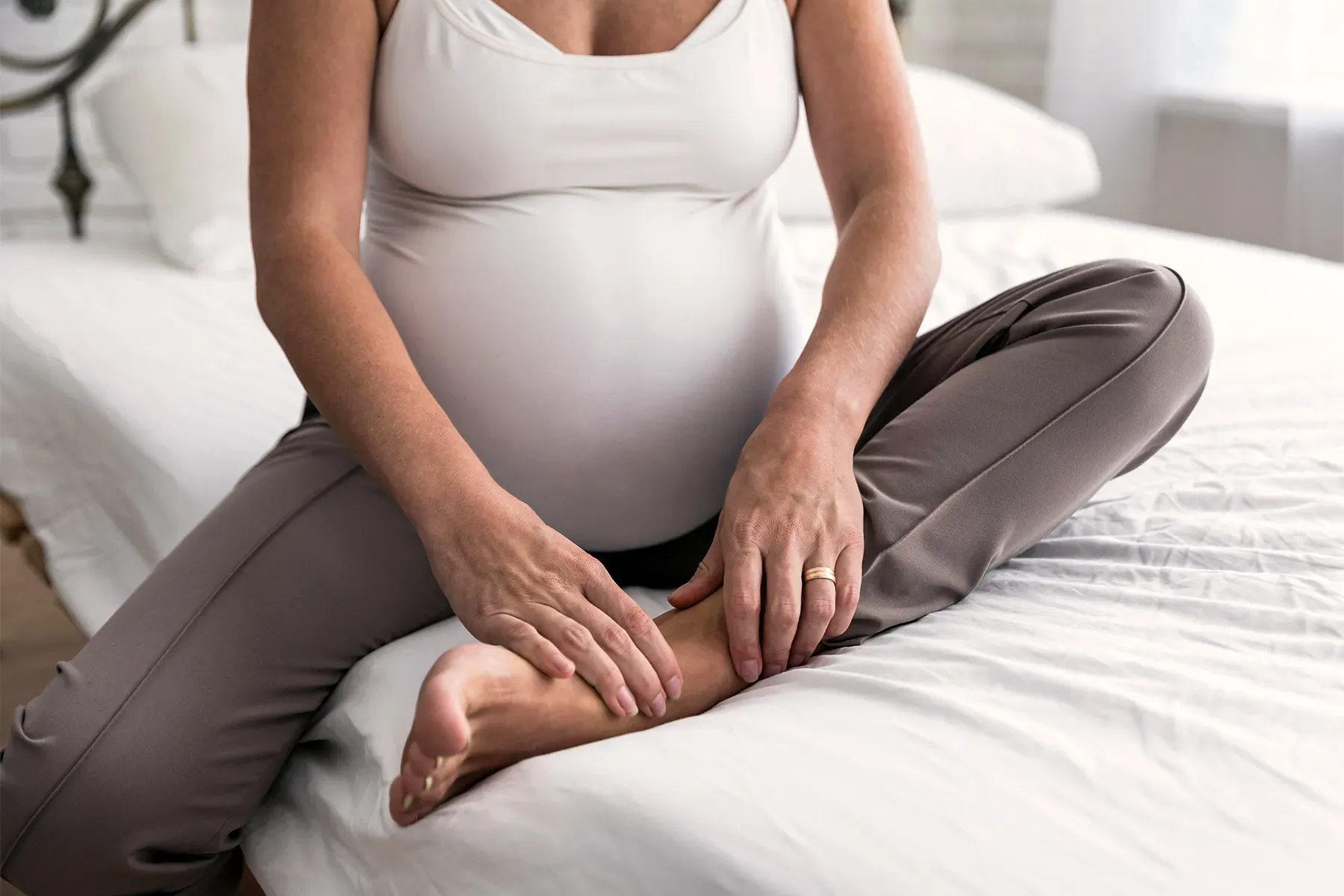
As I awaited the moment I had long envisioned—welcoming my first child—I became consumed by everything pregnancy-related, particularly the ins and outs of labor and delivery. I devoured articles about breastfeeding, bottle feeding, vaginal births, and C-sections. I imagined epidurals and whether my baby would be big, small, or average-sized. My mind raced with worries about NICUs, episiotomies, and the fear of my water breaking while I stood before a classroom of teenagers discussing Shakespeare.
However, there was one aspect I never thought about until after my son arrived, and that became the most daunting challenge imaginable: the first postpartum poop.
After enduring a grueling 24-hour labor culminating in the birth of my 9+ lb. baby, I froze in horror when the nurse suggested I try to use the bathroom. My body had just gone through a significant ordeal, and the thought of pushing out a poop while still recovering from childbirth felt impossible. I was managing a rotation of ice packs, numbing spray, and a squirt bottle, and the idea of wiping myself was overwhelming. I convinced myself I would never poop again.
Fortunately, my nurse—let’s call her Sarah—had seen many first-time moms before and understood my fear. She assured me that holding in my poop wasn’t good for my recovery and shared helpful tips, including that stool softeners are a postpartum mom’s best friend. She reassured me that it was common to experience “bowel movement issues” after giving birth and that I would be okay.
As it turns out, many women experience constipation after childbirth, and it can be attributed to various factors such as hormonal changes, diet, hydration levels, and even medications given during the hospital stay. Your body has just been through a lot—your uterus is shrinking, your pelvic floor is recovering, and your hormones are shifting, all of which can impact your bowel function.
And let’s not forget about hemorrhoids! Yes, the joys of pregnancy and childbirth keep piling up.
Regardless of your birthing experience, at some point, you will need to pass that first poop, even if it feels daunting. I was fortunate enough to avoid hemorrhoids, but I faced my own challenges with healing stitches and the discomfort that came with them.
After giving birth, my nurse quickly provided stool softeners and encouraged me to drink plenty of water and eat fiber-rich foods. The goal was to make things easier for my body to move along—after all, I had already done enough pushing, right?
If you find yourself in a similar situation, here are some strategies to help ease the process:
- Embrace fiber-rich foods: Foods like lentils, raspberries, prunes, avocados, oatmeal, and bran cereals can make a significant difference.
- Practice relaxation techniques: Take deep breaths, listen to soothing music, or try mindfulness to help ease the tension.
- Elevate your feet: Using a stool can help create a better angle for bowel movements.
- Consider stool softeners: They won’t rush you to the bathroom but will help make things easier to pass.
- Stay hydrated: Drinking plenty of water is crucial, especially if you’re breastfeeding. Aim for 10-12 glasses a day to support your recovery and avoid constipation.
Moving around gently can also aid digestion and alleviate constipation. While it may feel impossible to exercise with a newborn, even light activity like walking or gentle stretching can help.
I get it—it’s scary. Just when you think you’ve conquered the hardest part, your healthcare provider suggests you take a seat on the toilet. But trust me, the first poop is a necessary step in your recovery. It’s been 13 years since my first experience, and I survived to tell the tale (and welcomed two more kids along the way!).
So, take a deep breath and let that anxiety go—it’s all part of the journey.
For more insights on this topic, check out our other blog posts here. If you’re looking for specific resources on pregnancy and home insemination, this guide is excellent. And for at-home insemination kits, visit Make a Mom.
Search Queries:
- Postpartum poop tips
- First bowel movement after childbirth
- How to ease constipation postpartum
- Stool softeners for new moms
- Recovering from childbirth
Summary:
The experience of having your first postpartum bowel movement can be overwhelming, as many new moms fear the process after going through childbirth. Understanding the factors that contribute to constipation, such as hormonal changes and dietary needs, can help ease anxiety. Strategies like consuming fiber-rich foods, staying hydrated, and using stool softeners can facilitate the process. It’s important to remember that this is a common challenge for many mothers, and with the right support and information, you can navigate it successfully.
Leave a Reply