“Interesting. I’ll be back shortly.” Those were my obstetrician’s last words before everything changed.
“You have an enlarged placenta. We’re not entirely sure what it indicates. It might be nothing, but we need to monitor it closely.”
While I didn’t realize it at the time, that decision to keep a watchful eye likely saved both my son’s life and my own. From the outset of my pregnancy, I had the medical and financial backing to not just remain healthy but to survive. Unfortunately, that isn’t the reality for many women globally.
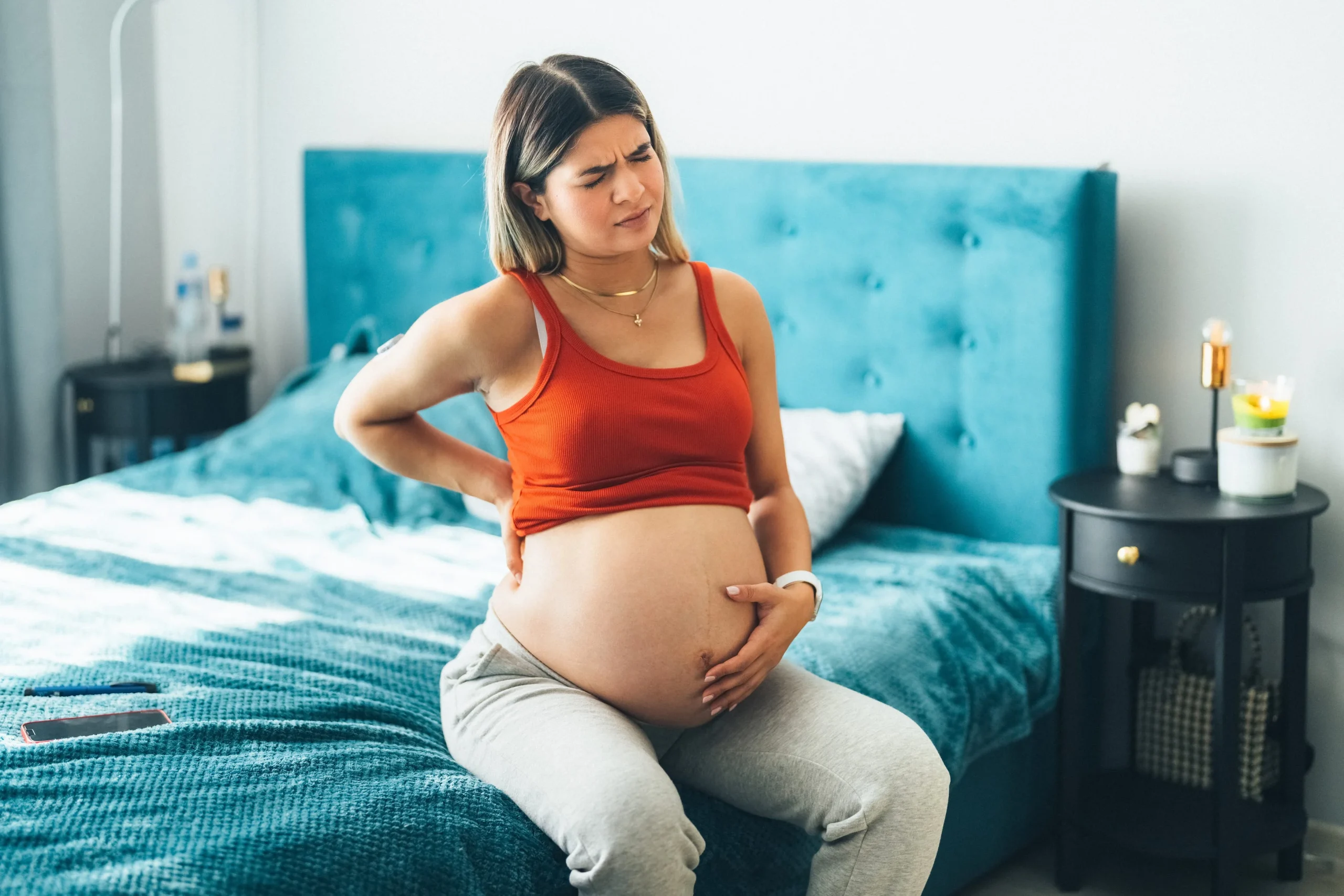
This was my first pregnancy. At 30, I was in good health—not too young but not quite advanced in maternal age either. Like every expectant parent, I had my worries until I heard the heartbeat and hit the 12-week mark. Nervous yet optimistic, I faced the additional fetal non-stress tests three times a week after reaching 32 weeks, alongside my regular check-ups. Despite the enlarged placenta, I viewed this monitoring as a mere formality.
After all, I was relatively young and healthy. I followed all the guidelines—eating well, exercising, and taking care of myself. Besides some mild headaches and slight swelling in my feet, which seemed typical for pregnancy, I felt good.
So, as I settled into a comfy chair at the maternal-fetal medicine clinic on a warm September afternoon with a book in hand and groceries in the car for a weekend barbecue, I felt reassured. The nurse attached electrodes to my belly and a blood pressure cuff to my arm. My blood pressure had always been low, so I anticipated a straightforward session.
However, within 48 hours, I would be undergoing an emergency cesarean section to save our lives, and my son would be born so prematurely that he would spend his first five weeks in intensive care.
At first, my blood pressure spiked, and the nurse’s concern grew as she monitored my readings. Panic set in when my blood pressure reached 160/90. A quick search online revealed that my seemingly harmless headaches and swollen feet were potential warning signs of preeclampsia—a serious condition characterized by high blood pressure that develops after the 20th week of pregnancy or shortly after delivery. Although rare, it affects 2-8% of pregnancies and can lead to severe complications if left untreated.
The nurse’s words struck me hard: “We need to admit you, and if your blood pressure continues to rise, we will have to deliver the baby.”
In the hospital, my situation deteriorated rapidly. My blood pressure climbed, liver enzymes elevated, and platelets dropped—indications of a severe variant of preeclampsia. I feared for my life and my baby’s.
As my husband calmly prepared to call my in-laws, the gravity of the situation settled in. “Do you want to be grandparents?” he asked. “No, now!” they rushed to the hospital, as did my father from New Jersey.
Hours later, our son arrived, weighing just 2 pounds, 14 ounces.
My husband later recounted that when our son was born, he was silent and gray. They hurried him to a table to assist him in breathing. I was oblivious to the chaos, asking, “Is he okay? What are they doing?” “He’s fine!” my husband reassured me, even as he felt terrified. Then our son cried out, and relief washed over us.
He shared the NICU with several newborns, many born even earlier and some in worse condition. The atmosphere was often dim and eerily quiet, broken by the beeping of machines and the occasional cries from babies or parents’ sobs.
I couldn’t shake the thought of what might have occurred had I not attended my prenatal appointments due to cost or work obligations. I recognized that my prenatal care was critical to our survival. My doctor’s early detection and decision to monitor my condition, along with the exceptional care we received at the Hospital of the University of Pennsylvania, made all the difference.
Finally, two weeks before what would have been his due date, we brought our son home. Our hospital bill was $1,000, a manageable amount thanks to our health insurance covering the rest.
Yet, countless parents across the country lack access to the prenatal and postnatal care that saved our lives. Many can’t take time off work or find childcare for older children. The U.S. has the highest maternal mortality rates among industrialized nations, with Black women facing 3-4 times the risk. Moreover, 15% of American women do not receive adequate prenatal care.
Fortunately, I was given 12 weeks of paid leave with the flexibility needed for follow-up appointments and therapy to support my son’s development. Sadly, the U.S. remains one of the few countries that don’t guarantee paid family leave, offering only 12 weeks of unpaid leave, if you qualify.
If everyone had access to paid family leave, it could potentially save 600 infant lives annually, enhancing maternal health and child development. President Biden’s American Families Plan aims to provide partial wage replacement up to $4,000 per month and guarantee 12 weeks of paid family leave, a necessary step toward improving maternal care in this country.
Today, our son is a joyful and healthy eight-year-old, immersed in his interests of Roblox and ‘Diary of a Wimpy Kid.’ The fact that he was born prematurely is a distant memory for him.
While I remain somewhat at risk for future pregnancies, I feel grateful for the support I know I would receive from my family, doctors, and healthcare plan. We were fortunate, but I will never take that for granted.
For more insights on preparing for pregnancy and home insemination, check out this post on home insemination as well as resources from Cleveland Clinic. If you’re looking for ways to boost your fertility, consider visiting Make a Mom.
Summary
In this article, Jessica Hartman recounts her sudden and frightening experience with preeclampsia during her first pregnancy. Through careful monitoring and medical intervention, both she and her premature son survived a potentially life-threatening situation. Hartman reflects on the importance of prenatal care and the disparities faced by many women in accessing necessary healthcare. She highlights the need for improved maternal care policies in the U.S. and shares her gratitude for the support she received throughout her journey.
Leave a Reply