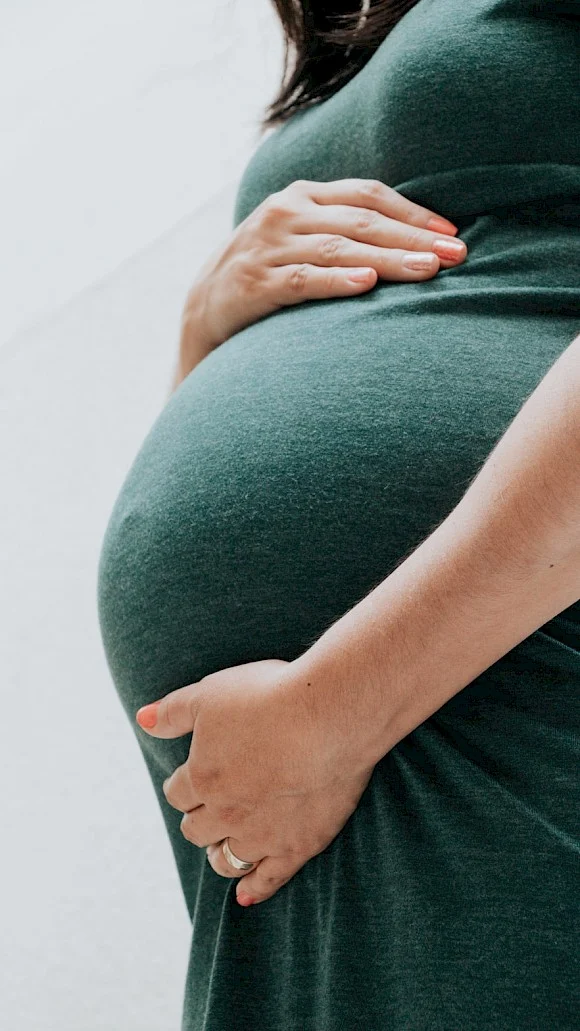
Pregnancy is often a time of immense joy and anticipation, but it can also leave you feeling overwhelmed by the sheer amount of information available. As you navigate this exciting journey, you might find yourself wanting to contribute positively to the world around you. If you’re considering donating blood, you may wonder if it’s possible while pregnant, especially since blood volume increases during this time. However, it’s important to pause before heading to the blood drive.
According to Dr. Lisa Harper, a board-certified OB-GYN, pregnant individuals are not eligible to donate blood. Doing so could pose risks to both your health and your baby’s well-being. Blood donation centers typically do not screen for pregnancy, which means it’s crucial to be aware of your condition before deciding to donate.
Why Is It Unsafe to Donate Blood While Pregnant?
When you donate blood, your iron levels can drop, potentially leading to anemia, which is a condition characterized by a low red blood cell count. This is particularly concerning for pregnant individuals, who are already at risk for iron-deficiency anemia. Dr. Harper explains that iron plays a vital role in maintaining your health during pregnancy. It is essential for hemoglobin, which carries oxygen to both you and your developing baby. Low iron levels can result in insufficient oxygen transportation, increasing the risk of preterm birth and low birth weight.
It’s also worth noting that experiencing some level of iron-deficiency anemia is common during pregnancy, as the liquid component of your blood increases more rapidly than red blood cells. This means you may need to boost your iron intake significantly during this time.
If you have any concerns regarding iron levels or anemia, it’s best to consult your healthcare provider, who can monitor your health and offer tailored advice.
When Can You Donate Blood After Giving Birth?
The American Red Cross states that individuals are eligible to donate blood six weeks postpartum. However, Dr. Harper recommends waiting at least six to nine months. After childbirth, there is typically a significant blood loss, which is normal, and breastfeeding requires adequate iron levels. Ideally, she suggests waiting until three months after weaning before considering blood donation. Before you donate, discuss any underlying health issues with your doctor.
Additionally, it’s important to follow responsible donation practices, which include waiting at least 16 weeks between donations. Generally, individuals can donate blood six times a year, ensuring they meet health requirements.
Can Donating Blood Affect Fertility?
Research indicates that donating blood prior to pregnancy does not affect fertility. Donors do not face a higher risk of fertility issues compared to those who have never donated.
Can You Donate Plasma While Pregnant?
Plasma donation is also not recommended during pregnancy, as blood banks typically do not accept it due to potential risks. Dr. Harper notes that pregnant individuals may develop antibodies against certain antigens found in their baby’s blood, which could lead to dangerous transfusion reactions if plasma is donated.
The Bottom Line:
Pregnant individuals are not eligible to donate blood or plasma due to health risks.
For additional insights on topics related to pregnancy and home insemination, you can check out this helpful resource on pregnancy or explore more about home insemination at this blog post.
If you’re interested in tools for home insemination, check out the BabyMaker Home Intracervical Insemination Syringe Kit Combo for expert guidance.
Search Queries:
- Can I donate blood while pregnant?
- Blood donation guidelines for pregnant women
- Effects of blood donation on pregnancy
- Iron deficiency during pregnancy
- How soon can I donate blood after giving birth?
Summary:
Pregnant individuals should refrain from donating blood and plasma due to health risks for themselves and their babies. It’s crucial to prioritize nutritional needs and monitor iron levels during pregnancy. After childbirth, the recommended waiting period for blood donation is at least six weeks, but waiting several months is advisable for optimal health.
Leave a Reply