Blog Post:
Fertility issues can be a challenging and emotional journey for many couples. With the high costs of fertility treatments and medications, it can often feel like an overwhelming and unattainable dream. However, there are low-cost fertility medications available that can help make the process more affordable for those struggling to conceive. In this beginner’s guide, we will discuss everything you need to know about low-cost fertility medications, including what they are, how they work, and where to find them.
What are Low-Cost Fertility Medications?
Low-cost fertility medications are prescription drugs that are designed to aid in fertility and increase the chances of conception. These medications are often more affordable than the brand-name versions and can provide similar results. They are usually available in generic form and can be purchased at a fraction of the cost of the brand-name medications.
How Do They Work?
Low-cost fertility medications work by stimulating the ovaries to produce more eggs and regulate the menstrual cycle. They can also help improve the quality of the eggs and make them more viable for fertilization. These medications are often prescribed as part of a fertility treatment plan and are used in conjunction with other methods such as intrauterine insemination (IUI) or in vitro fertilization (IVF).
Types of Low-Cost Fertility Medications
1. Clomiphene Citrate (Clomid)
Clomiphene citrate, commonly known as Clomid, is a popular low-cost fertility medication. It is an oral medication that is used to stimulate ovulation in women who have irregular menstrual cycles or do not ovulate at all. Clomid works by blocking the effects of estrogen, which triggers the body to produce more follicle-stimulating hormone (FSH) and luteinizing hormone (LH). These hormones then stimulate the ovaries to produce and release eggs.
2. Letrozole (Femara)
Letrozole, also known as Femara, is another oral medication used to stimulate ovulation. It works by reducing the levels of estrogen in the body, which then triggers the production of FSH and LH. Letrozole is often used as an alternative to Clomid for women who do not respond well to Clomid or experience side effects from it.
3. Human Menopausal Gonadotropin (hMG)
Human menopausal gonadotropin, or hMG, is an injectable medication that contains both FSH and LH. It is used to stimulate the ovaries to produce and mature multiple eggs in women who do not ovulate or have trouble getting pregnant. hMG is often used in combination with other fertility treatments such as IUI or IVF.
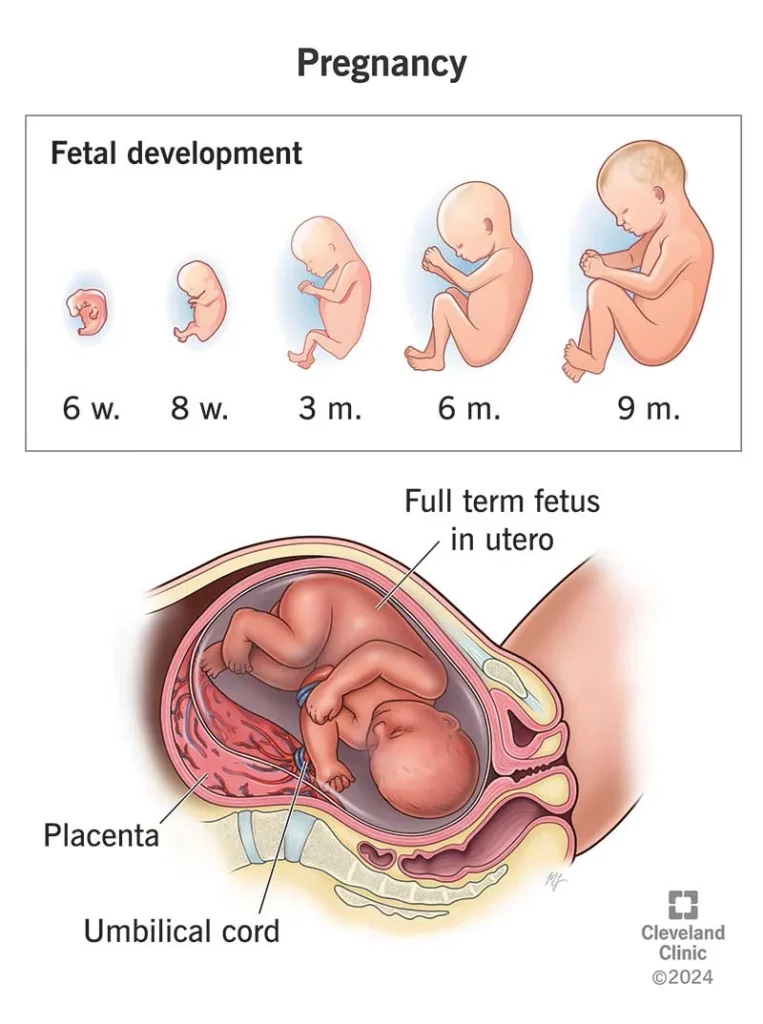
A Beginner's Guide to Low-Cost Fertility Medications: What You Need to Know
4. Human Chorionic Gonadotropin (hCG)
Human chorionic gonadotropin, or hCG, is another injectable medication that is used to trigger ovulation. It is often used in combination with other fertility medications to help time ovulation and increase the chances of conception. hCG is also commonly used during IVF treatment to help with the final maturation of the eggs before retrieval.
Where to Find Low-Cost Fertility Medications
Low-cost fertility medications can be found at a variety of places, including fertility clinics, specialty pharmacies, and online pharmacies. It is important to consult with a fertility specialist before purchasing any medication, as they can provide guidance on which medication is best for your specific situation and can also monitor your progress while taking the medication.
It is also worth checking with your insurance provider to see if they cover any fertility medications. Some insurance plans may cover certain fertility drugs, which can significantly reduce the cost for couples struggling with fertility issues.
Risks and Side Effects
As with any medication, low-cost fertility medications come with potential risks and side effects. These can include multiple pregnancies, ovarian hyperstimulation syndrome (OHSS), and mood swings. It is essential to discuss any concerns or potential side effects with your doctor before beginning any fertility treatment.
In addition, some low-cost fertility medications may have a higher risk of causing birth defects in babies conceived while taking them. It is crucial to follow your doctor’s instructions carefully and inform them if you become pregnant while taking any fertility medication.
Conclusion
Fertility treatments and medications can be expensive, but low-cost options are available and can be just as effective as their brand-name counterparts. It is essential to consult with a fertility specialist to determine the best course of treatment for your specific situation and to monitor your progress while taking any medication.
Remember to also check with your insurance provider for coverage and to discuss any potential risks or side effects with your doctor. With the right treatment plan and support, low-cost fertility medications can help make the dream of starting a family a reality for many couples.
Summary:
In this beginner’s guide to low-cost fertility medications, we discussed what they are, how they work, and where to find them. Low-cost fertility medications are prescription drugs that stimulate ovulation and increase the chances of conception at a fraction of the cost of brand-name medications. The types of low-cost fertility medications include Clomiphene Citrate (Clomid), Letrozole (Femara), Human Menopausal Gonadotropin (hMG), and Human Chorionic Gonadotropin (hCG). They can be found at fertility clinics, specialty pharmacies, and online pharmacies. However, it is essential to consult with a fertility specialist and check with your insurance provider before purchasing any medication. It is also crucial to be aware of the potential risks and side effects of these medications, such as multiple pregnancies and birth defects. With the right treatment plan and support, low-cost fertility medications can help make the dream of starting a family a reality for many couples.
Leave a Reply