Introduction to Week 14 of Pregnancy
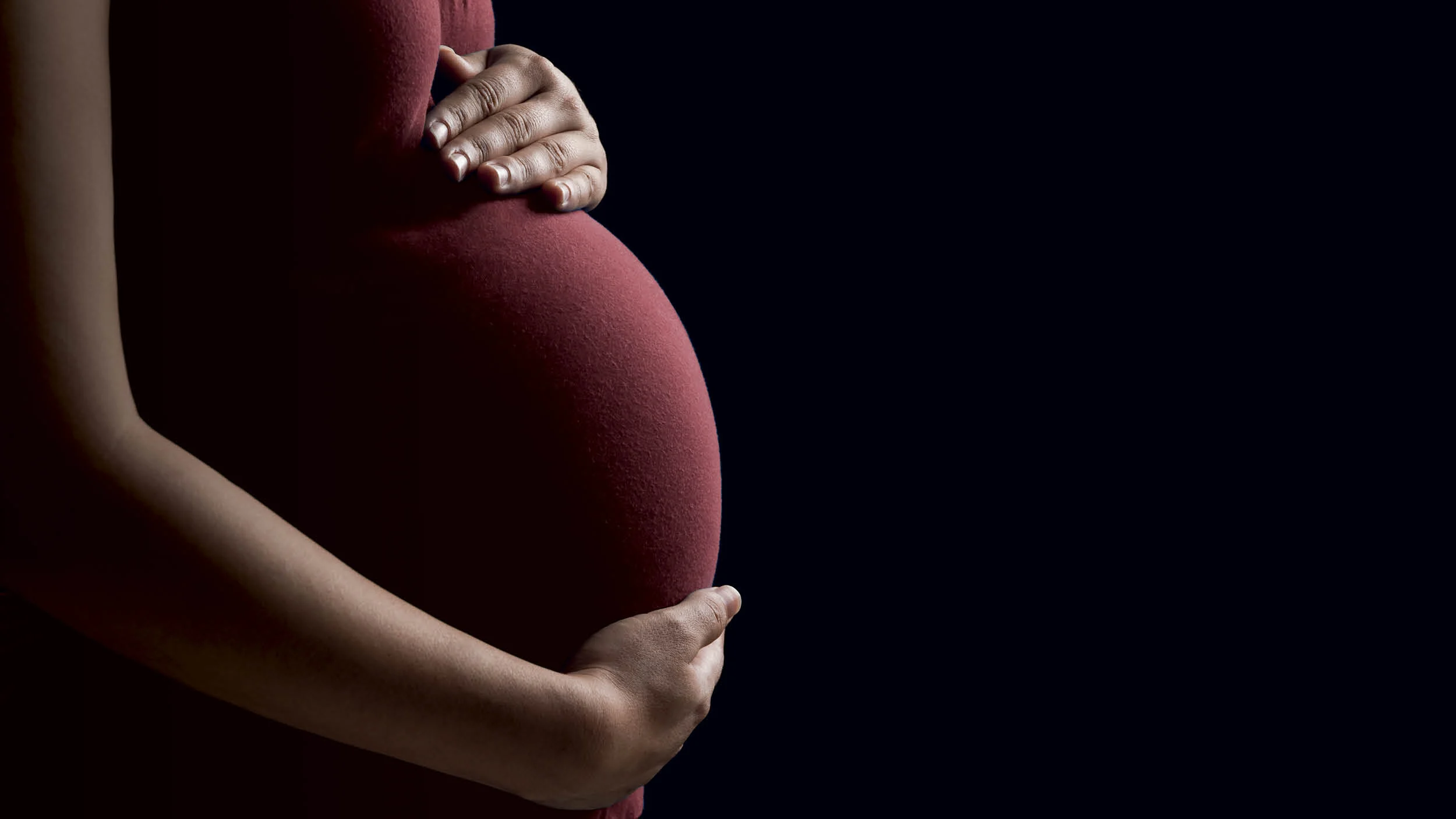
Congratulations on reaching the 14-week mark of your pregnancy! As you transition into the second trimester, you have just 26 weeks left until you welcome your little one. Many women find relief from the nausea of early pregnancy and begin to regain their energy and appetite.
Your Body at 14 Weeks Pregnant
Welcome to the second trimester! This phase is often referred to as the “honeymoon” period of pregnancy, thanks to hormonal changes that increase blood flow, giving your skin a radiant glow. Make sure to stay well-hydrated—experts from the American Pregnancy Association recommend drinking at least 8 to 12 cups of water daily to maintain hydration and support your growing baby.
While you may not see a pronounced baby bump yet, you might notice your belly starting to round out. Some women experience discomfort as the round ligaments that support the uterus stretch, which can cause mild aches in the groin or abdominal area. Additionally, an increase in blood flow can lead to itchiness in the skin, which can be alleviated with unscented moisturizers and breathable clothing. However, if you experience severe itching, it’s crucial to consult your healthcare provider, as it may indicate a serious condition known as obstetric cholestasis.
Your Baby at 14 Weeks Pregnant
By this week, your baby is approximately the size of a mozzarella stick. At this stage, facial muscles are developing, enabling your little one to smile, grimace, and even squint. Their arms are now growing proportionately, and some babies may even start to suck their thumbs. This week also marks the beginning of fingernail growth, which you’ll soon be carefully trimming.
Fine, soft hair known as lanugo will start to cover your baby’s body and head, but rest assured, this is temporary, as most of it will shed away by the seventh or eighth month of pregnancy.
Common Symptoms at 14 Weeks Pregnant
Hormonal fluctuations can lead to swollen and bleeding gums, making dental hygiene essential. Regular visits to your dentist during the second trimester are advised to prevent infections, along with consistent brushing, flossing, and warm saltwater rinses to alleviate any discomfort.
You may also notice an increase in vaginal discharge, which is normal if it’s milky and odorless. However, if the discharge becomes yellow or green and is accompanied by discomfort, reach out to your healthcare provider.
Breast changes are common during this stage, with many women experiencing larger, fuller breasts without the soreness that accompanied earlier weeks. Additionally, hormonal shifts and increased blood volume may lead to varicose veins, particularly in the legs and pelvic area. Elevating your feet and staying active can help improve circulation.
Hemorrhoids can also become a concern due to increased pelvic pressure and constipation. Warm baths and a fiber-rich diet can help alleviate discomfort.
As your uterus rises and relieves pressure on the bladder, you might find that frequent urination decreases, at least for now. However, this is likely to change again as your pregnancy progresses.
Heartburn is another common symptom, often exacerbated by hormonal changes that slow digestion. To manage this, try eating smaller meals, avoiding spicy and greasy foods, and not lying down immediately after eating.
If you experience headaches or migraines, these could be attributed to dehydration, posture, or caffeine withdrawal. Consult your healthcare provider if headaches persist, especially if severe, as they could indicate high blood pressure or preeclampsia.
Expecting Multiples?
If you’re carrying twins, your baby bump may be more pronounced at this stage compared to a singleton pregnancy. While early symptoms may have lessened, you might still experience increased discomfort and should take precautions to protect your immune system, avoiding close contact with anyone who is ill.
For more insights on the journey of pregnancy, including self-insemination and the latest updates, check out Home Insemination Kit. For expert guidance on artificial insemination, visit Make a Mom. Additionally, March of Dimes is an excellent resource for detailed weekly pregnancy information.
Summary
At 14 weeks pregnant, your baby is the size of a mozzarella stick, and you are officially in the second trimester. Many women find this phase to be more enjoyable as symptoms begin to ease. However, be mindful of changes in your body, including increased discharge, swollen gums, and potential varicose veins. Whether you’re experiencing a singleton or multiple pregnancy, it’s essential to stay healthy and informed during this exciting time.
Leave a Reply