Overview of Week 21
Welcome to your week-by-week pregnancy guide! At 21 weeks into your pregnancy, you’re right in the middle of the second trimester, a period often characterized by increased energy and a sense of well-being. You’ve likely gained between 13 and 15 pounds, but it’s important to remember that each woman’s experience varies. Regular, moderate exercise is advisable to minimize the risks of gestational diabetes and alleviate common discomforts like swelling and aches. Always seek your healthcare provider’s advice before starting any new exercise routine.
Nesting Instincts
The second trimester is often seen as the ideal time for preparing for your baby’s arrival. As your energy levels rise and nausea subsides, you may find yourself drawn to cleaning and organizing. This nesting instinct is particularly pronounced in women expecting during the late spring and summer months, as it aligns with our natural urge to spring clean. Now is an excellent opportunity to establish the nursery, create a baby registry, and even plan a relaxing babymoon. After all the preparations, you’ll want to take time to unwind.
Your Baby’s Development at 21 Weeks
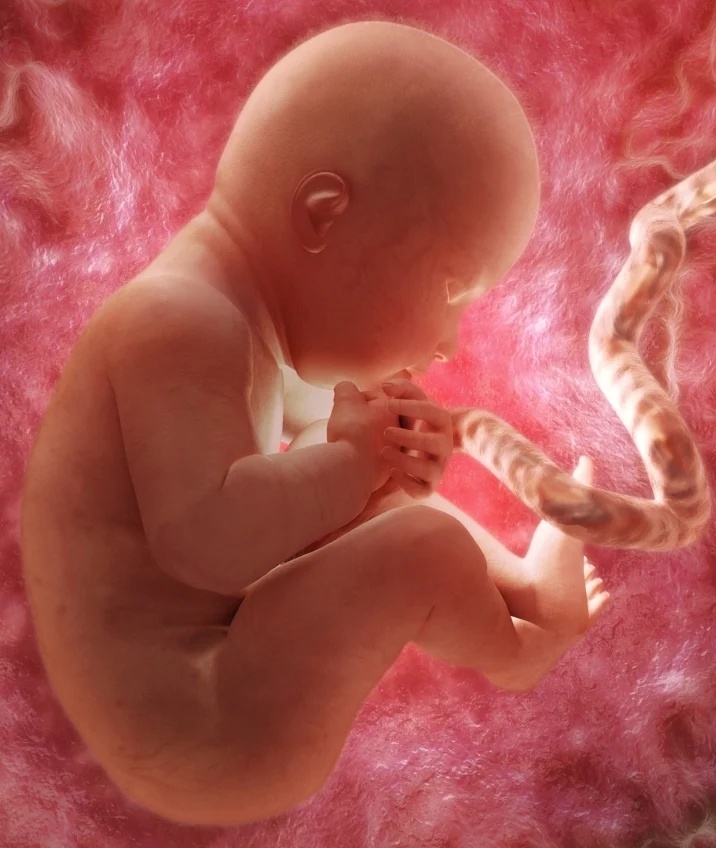
At this stage, your baby measures around 10.5 inches and weighs approximately 11 ounces, roughly comparable to a bread bowl. They are developing sleep patterns similar to a newborn, spending about 90% of their time sleeping. Beneath the surface, your baby is actively practicing essential skills such as breathing, swallowing, and kicking. Interestingly, they can even taste the flavors of the food you consume, like that spicy taco you had recently, which may have led to some discomfort.
By this week, your baby’s eyelids have fully formed, and they are producing meconium, the first stool. Their senses are advancing, and they can respond to touch—if you gently press on your belly, your baby might respond with a little kick!
Common Symptoms at Week 21
Braxton Hicks Contractions
You may begin to notice Braxton Hicks contractions, which are typically harmless. As long as they are not painful or consistent, there is usually no cause for concern. However, if these contractions become severe or regular, it’s crucial to contact your doctor to rule out preterm labor.
Breast Changes
By now, many women experience fuller, larger breasts in preparation for milk production. It’s common to see an increase of up to a cup and a half by delivery, often without the soreness that can accompany early pregnancy.
Physical Discomfort
As your belly grows, your body adjusts to the new weight and balance. The hormone relaxin is released, which can lead to joint and back pain. Gentle stretching, maintaining good posture, and using a belly support band can help alleviate discomfort.
Heartburn
With the return of your appetite, you might also experience heartburn. This common symptom arises due to hormonal changes that slow digestion and relax esophageal muscles. To manage heartburn, avoid spicy and greasy foods, eat smaller meals, and keep your head elevated while sleeping.
Headaches in the Second Trimester
An increase in blood volume may lead to headaches during this stage. Dehydration, posture, and even caffeine withdrawal can contribute. If headaches persist, it’s wise to consult your healthcare provider before taking any medication. Severe headaches later in pregnancy could indicate high blood pressure or preeclampsia, necessitating immediate medical attention.
If Expecting Twins
Braxton Hicks contractions may be more pronounced if you’re carrying multiples. While occasional contractions are normal, keep an eye on their frequency and intensity. Premature labor is more common with twins, so it’s essential to contact your healthcare provider if you have concerns.
For further reading on pregnancy and home insemination, check out this excellent resource on different treatments: WebMD. Additionally, boosting your fertility can be beneficial; learn more at Make a Mom.
Summary
At 21 weeks pregnant, your baby is developing rapidly, and your body is adjusting to the changes. You might experience symptoms like Braxton Hicks contractions, breast growth, and heartburn. Remember, it’s essential to consult your healthcare provider if you have any concerns about your symptoms or overall health.
Leave a Reply